
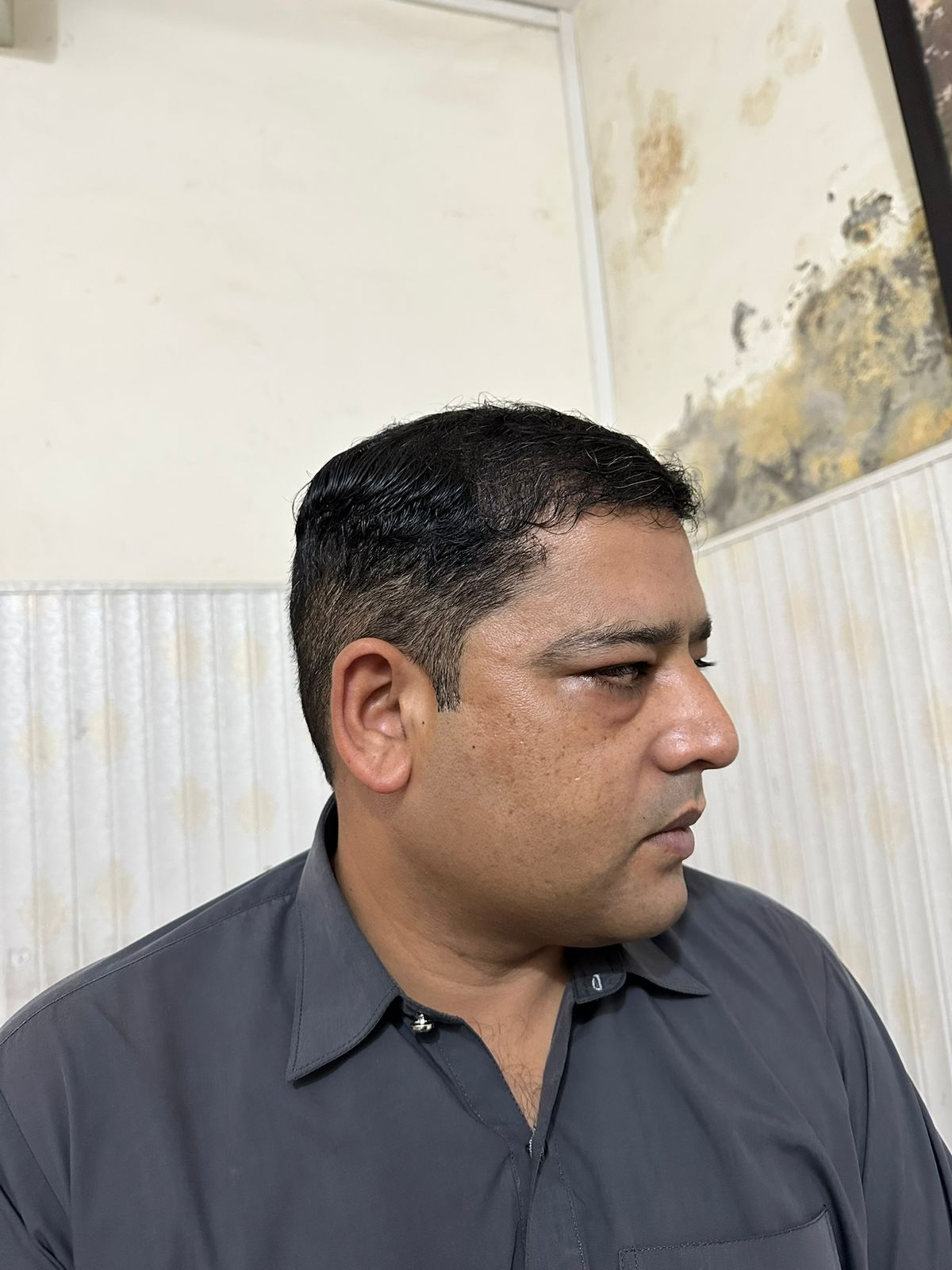
A hair transplant relocates healthy hair follicles — usually taken from the back of the scalp, where hair tends to be more resistant to thinning — to areas where hair has thinned or been lost. It is a well-established option for pattern hair loss in which the follicles in the affected areas are no longer active. At Skin Esthetics Clinic, every hair transplant journey begins with a detailed consultation and assessment, so you get honest advice about whether the procedure is right for you.
Is a Hair Transplant Right for You?
Not everyone with hair loss is a candidate for a transplant. Suitability depends on the pattern and stability of your hair loss, the density and quality of your donor area at the back and sides of the scalp, your general health, and your expectations of what the procedure can realistically achieve. Because a transplant redistributes your existing hair rather than creating new hair, the consultation focuses on what is possible for you as an individual — and we will tell you honestly if a transplant is not the right option.
What to Expect
Everything begins with a consultation: your clinician examines your hair and scalp, reviews your medical history, and talks through your goals. If you decide to proceed, the procedure is planned around your individual pattern of loss and donor capacity. On the day, the transplant is carried out at the clinic under local anaesthetic, and you will receive clear aftercare guidance to follow as your scalp settles. Your clinician will also explain what follow-up looks like and when to get in touch if you have any concerns.
Patients Travelling from the UK
UK patients travel to Skin Esthetics Clinic for hair transplant procedures. If you are considering travelling for treatment, you can start with a remote discussion of your situation before any visit, and the clinic team will help you plan your consultation and procedure around your trip.
FAQs
Am I a candidate for a hair transplant?
Candidacy is decided at your assessment. The key factors are the pattern and stability of your hair loss, the quality of your donor area, and your overall health. If a transplant is unlikely to give you a worthwhile outcome, your clinician will say so and discuss the alternatives with you.
Will a hair transplant leave scarring?
Any surgical procedure leaves some scarring. Your clinician will explain what scarring may be involved, where it is typically located, and how it is usually concealed by the surrounding hair, so you can make an informed decision.
How long does it take to see results?
Transplanted hair follows a natural cycle: the moved follicles typically shed their hair shafts first, and new growth appears gradually over the following months. Timelines vary from person to person, and your clinician will talk you through what to expect at each stage.
Will it look natural?
The aim is a result that sits naturally with your existing hair — taking into account your hairline, the direction of growth, and density. Careful, individualised planning is what separates a natural-looking outcome from an obvious one.
Does a transplant stop future hair loss?
No. A transplant moves existing follicles but does not stop the underlying process of pattern hair loss, so hair that was already prone to thinning may continue to thin over time. That is why long-term planning — which may include ongoing care for the non-transplanted hair — is part of the conversation from the start.
Related Treatments
Book Your Consultation
Every treatment plan starts with an assessment at the clinic.