
- ACNE TREATMENT
- Alopecia Treatment
- Tricology
- Exosome Therapy
- Eye brow lift
- Hair Fall Treatment
- PRP
- Micro needling
- HIFU
- Moles, Warts & Skin Tags Removal
- Scalp health treatment
- IV drip (whitening and vitamins)
- Melasma / hyper pigmentation treatment
- Skin booster
- Wrinkle treatment
- Fillers
- Sculptra
- Anti Aging Treatments
- Hair Thining Treatment
 Noticing more hair in the shower drain or on your pillow every morning is worth taking seriously. Excessive hair fall is a clinical signal that something beneath the surface needs attention.
At Skin Esthetics Clinic in Romford, we provide evidence-based hair fall treatment for both men and women across all hair types and life stages. Our approach begins with a thorough clinical assessment to identify the exact cause before recommending any treatment.
Getting the diagnosis right from the start makes all the difference to your outcome. At Skin Esthetics Clinic our specialist team is here to give you honest, expert guidance and a clear path forward.
What Is Hair Fall?
Hair fall refers to the shedding of hair from the scalp beyond what is considered normal for the natural growth cycle. Every hair follicle goes through phases of growth, transition, and rest. When the shedding phase produces more hair loss than the growth phase can replace, hair fall becomes a clinical concern.
It is one of the most common conditions we treat at Skin Esthetics Clinic. It affects men and women of all ages, all hair types, and all ethnicities. And in the vast majority of cases, it has an identifiable cause and an effective treatment.
How Much Hair Fall Is Normal?
Losing between 50 and 100 hairs per day is considered within the normal range for most adults. This daily shedding is part of the hair growth cycle. Each follicle cycles independently through growth, transition, and rest phases throughout the year.
When Does Hair Fall Become a Problem?
What is not normal is sudden increases in falling hair, large clumps of hair coming away, visible patches of baldness developing, or sustained daily loss that significantly exceeds that baseline over weeks or months.
If you are noticing more hair fall than usual and it has continued for longer than four to six weeks, a clinical assessment is the right next step.
The longer this imbalance continues without treatment, the more follicles miniaturise and the harder recovery becomes. Early intervention preserves more follicles and produces better outcomes. Waiting until hair fall is advanced significantly narrows your options.
How Hair Fall Affects Your Confidence and Daily Life
Hair fall does more than change your appearance. It changes how you walk into a room, how you feel in photographs, and how much mental energy you spend thinking about your hair every single day.
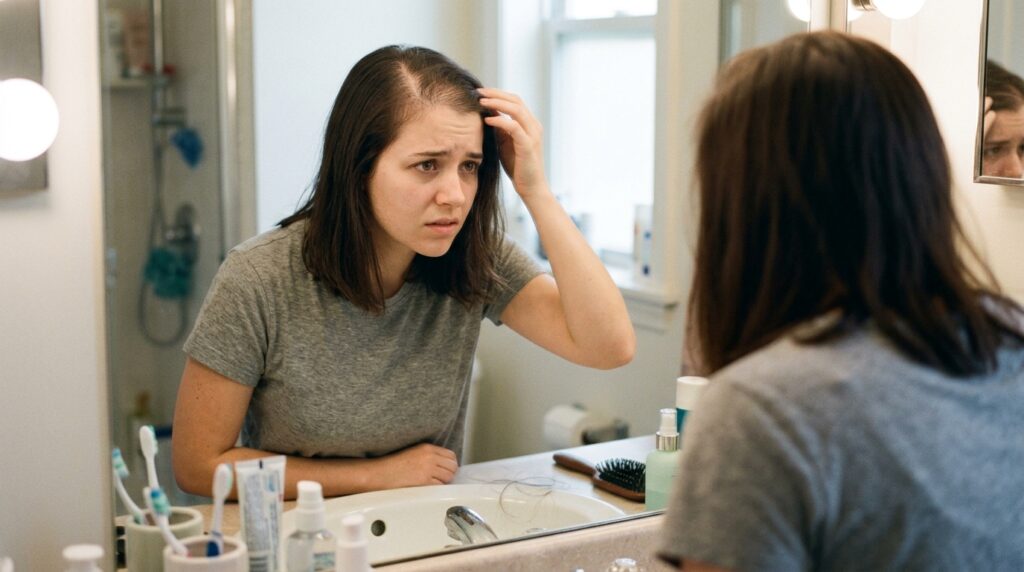
Patients at Skin Esthetics Clinic regularly describe avoiding social situations, spending extra time styling their hair to cover areas of loss, and feeling self-conscious in ways they never expected.
For women especially, significant hair falling can feel deeply isolating. You are not alone in feeling this way. And there is real, effective help available.
What Causes Hair Fall?
Hair fall rarely has a single cause. In most patients, several factors combine to disrupt the hair growth cycle simultaneously. Identifying all of them is what makes treatment effective.
Hormonal Imbalances and Hair Fall
Hormones regulate the hair growth cycle at every stage. When they shift, the follicle responds. Estrogen supports hair in its active growth phase. When estrogen levels drop, whether during menopause, after stopping the pill, or as a result of hormonal conditions, follicles spend less time growing and more time resting. Shedding increases.
Stress and Hair Fall
Stress is one of the most consistent and frequently overlooked drivers of hair fall. Elevated cortisol pushes large numbers of follicles out of the active growth phase and into the resting phase simultaneously. Two to three months later, the result is sudden, widespread shedding known as telogen effluvium.
The delay between the stress event and the shedding means many patients do not connect the two. By the time they notice significant hair fall, the original trigger may feel like it happened a long time ago. Managing stress is therefore not a soft recommendation. It is a clinical priority in any effective hair fall treatment plan.
Nutritional Deficiencies and Hair Fall
Iron deficiency is the single most common nutritional cause of hair fall in women and is frequently missed in standard blood tests unless ferritin is specifically checked. Low zinc impairs keratin production.
Inadequate protein reduces the raw material the follicle needs to build each strand. Vitamin D deficiency disrupts follicle cycling. We screen for all of these as part of our diagnostic process.
Scalp Conditions and Inflammation
A healthy scalp is the foundation of healthy hair growth. When the scalp is inflamed, congested with excess sebum, affected by dandruff, psoriasis, or dermatitis, or blocked with product buildup, follicle function is directly impaired. Chronic scalp inflammation accelerates follicle miniaturisation over time, turning a manageable condition into a progressive one.
Treating scalp health is always part of treating hair fall at Skin Esthetics Clinic. Addressing inflammation, rebalancing the scalp microbiome, and restoring proper blood flow and oxygen delivery to the dermis creates the environment follicles need to recover.
Genetics and Androgenetic Alopecia
Your genetic blueprint determines how sensitive your follicles are to DHT, how early androgenetic alopecia develops, and how quickly it progresses. If your parents or grandparents experienced significant hair fall or baldness, your risk is elevated.
Genetics do not make hair fall inevitable. But they do make early clinical intervention critical. The earlier treatment begins, the more follicles can be preserved before miniaturisation becomes irreversible.
Postpartum Hair Fall in Women
After childbirth, estrogen levels drop sharply. This pushes large numbers of follicles into the resting phase simultaneously, triggering widespread shedding that typically peaks around three to four months after delivery. For most women, postpartum hair fall resolves within six to twelve months. For others, it persists or reveals an underlying hormonal or nutritional imbalance that requires clinical attention.
We treat postpartum hair fall with targeted nutritional support, scalp health treatment, and gentle clinical therapies appropriate for the recovery stage. No GP referral is needed and we adapt every protocol to your specific hormonal context.
Thyroid Disorders and Hair Fall
Both underactive and overactive thyroid conditions disrupt the hair growth cycle across the entire scalp. Thyroid-related hair fall tends to present as diffuse shedding rather than a defined pattern, affecting all areas simultaneously. It is one of the most commonly missed causes of hair fall because the connection between thyroid function and follicle health is not widely understood.
A simple blood test measuring thyroid hormone levels can confirm or rule out this cause quickly. Where thyroid dysfunction is identified, we work alongside your GP to ensure your treatment addresses both the thyroid condition and the hair fall it has triggered.
Medications and Medical Treatments
Certain medications list hair fall as a known side effect. These include blood thinners, beta-blockers, antidepressants, chemotherapy drugs, and some hormonal contraceptives. Radiation treatment also causes significant hair fall in the treated area.
If you suspect your medication is contributing to hair fall, never stop taking it without medical advice. Instead, bring it to your consultation at Skin Esthetics Clinic and we will factor it into your diagnosis and treatment planning.
Hair Care Damage and Styling Habits
Repeated bleaching, colouring, relaxing, and perming weaken the hair shaft at a structural level. Heat damage from straighteners and curling tools degrades the keratin structure of each strand. Tight braids, weaves, and high ponytails place sustained tension on follicles along the hairline and temples, causing traction alopecia over time.
Using the wrong shampoo and conditioner for your scalp type, over-washing, or under-washing all affect sebum balance and scalp health. Pollution and environmental toxins deposit on the scalp surface, block follicle openings, and contribute to inflammation. These factors compound every other cause of hair fall and slow recovery from every treatment.
Types of Hair Fall We Treat at Skin Esthetics Clinic
Diffuse Hair Fall:
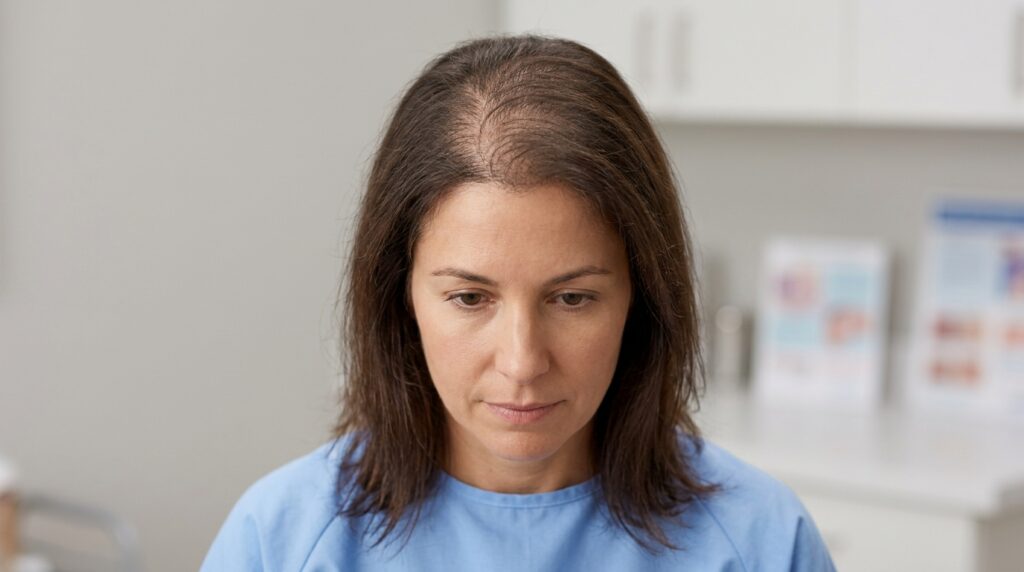
Diffuse hair fall is widespread shedding across the entire scalp rather than loss in a specific pattern. It is most commonly caused by telogen effluvium, nutritional deficiency, thyroid dysfunction, or medication side effects.
The scalp becomes progressively more visible across all areas simultaneously. Diffuse hair fall responds well to treatment when the underlying cause is correctly identified and addressed.
Alopecia
Alopecia is the medical term for hair fall of any type or origin. Alopecia areata is an autoimmune condition where the immune system attacks healthy follicles, causing patchy hair fall on the scalp or body. Alopecia totalis refers to complete scalp hair loss. Alopecia universalis refers to total body hair loss. Each form requires a different treatment approach and specialist assessment before any protocol begins.
Stress Induced Hair Fall
Stress induced hair fall is telogen effluvium triggered by physical or psychological stress. Surgery, severe illness, extreme emotional events, and chronic workplace stress are all common triggers. The shedding typically begins two to three months after the stressor and can be significant. Stress induced hair fall often resolves once the trigger is managed, but clinical support significantly speeds up recovery and prevents secondary damage to follicle density.
Female Pattern Hair Fall
Female pattern hair fall follows a diffuse thinning pattern across the crown and top of the scalp, with the frontal hairline typically preserved. It is driven by a combination of genetics, DHT sensitivity, and hormonal changes. It affects approximately 40% of women by the age of 50 and is significantly underdiagnosed because it develops gradually and is often dismissed as normal aging.
Male Pattern Hair Fall
Male pattern hair fall follows the Norwood scale, beginning at the temples and crown and progressing outward. It is driven by genetic sensitivity to DHT and affects the majority of men to some degree by middle age. Without treatment, the two areas of loss eventually merge into significant baldness. Early treatment is the single most important factor in achieving good outcomes.
Postpartum Hair Fall
As described above, postpartum hair fall is telogen effluvium triggered by the hormonal shift after delivery. It is extremely common, affecting up to 50% of new mothers, and is one of the most emotionally distressing forms of hair fall we treat. Most cases resolve within twelve months with appropriate nutritional support and scalp care. Persistent or severe cases benefit significantly from clinical intervention.
Excessive Hair Fall
Excessive hair fall refers to daily shedding significantly above the normal range of 50 to 100 hairs. Patients experiencing excessive hair fall often describe finding large amounts of hair on pillows, in shower drains, and on clothing. It is usually a symptom of an underlying condition rather than a condition itself. Identifying and treating the driver stops the excessive shedding and allows recovery to begin.
Extreme Hair Fall and Baldness
Extreme hair fall refers to rapid, severe shedding that produces visible bald patches or widespread density loss within a short period. It can occur in severe alopecia areata, as a result of aggressive medical treatment, or in advanced androgenetic alopecia that has been left untreated for a long time. Extreme hair fall requires urgent clinical assessment and a multi-modal treatment approach to stabilise the condition and begin recovery.
Hair Fall Treatment Options at Skin Esthetics Clinic Romford
Every treatment plan at Skin Esthetics Clinic is built around your specific diagnosis. We do not apply the same protocol to every patient. We combine the right treatments in the right sequence for your individual condition, scalp type, and goals.
PRP Therapy for Hair Fall
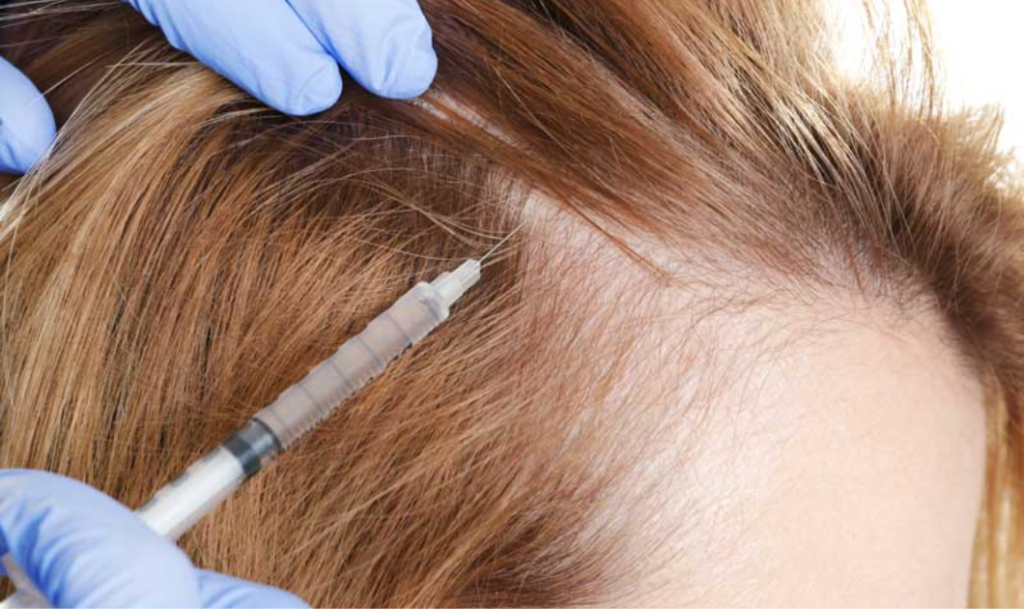
Platelet-rich plasma therapy is one of the most well-evidenced non-surgical hair fall treatments available. We draw a small blood sample, concentrate the growth factors through centrifugation, and inject the plasma directly into areas of active hair fall across the scalp.
Those growth factors reactivate dormant follicles, reduce inflammation in the dermis, improve blood flow and oxygen delivery to the follicle, and stimulate new regrowth. PRP therapy works well for androgenetic alopecia, telogen effluvium, and diffuse hair fall. Most patients see visible improvement in shedding reduction and regrowth after three to four sessions.
Exosome Therapy for Hair Fall
Exosome therapy is the most advanced non-surgical option we offer for hair fall. Exosomes are cell-signalling particles loaded with growth proteins, repair signals, and regenerative instructions. Applied to the scalp, they communicate directly with follicle cells and switch on recovery and repair processes at a cellular level in the dermis and epidermis.
This treatment produces particularly strong results for patients with more advanced hair fall, those who have not responded fully to PRP, or those with complex multi-factorial hair fall conditions. It reaches a depth of follicle repair that older treatments simply cannot achieve.
Laser Treatment for Hair Fall
Low level laser therapy uses specific wavelengths of light to stimulate follicle activity, improve scalp circulation, and reduce inflammation around the follicle. Laser treatment for hair fall is painless, non-invasive, and suitable for all hair types and skin tones.
It works by increasing blood flow and oxygen delivery to the follicle, extending the active growth phase, and reducing the inflammatory signals that accelerate follicle miniaturisation. It is particularly effective as a supporting therapy alongside PRP or microneedling and as a standalone option for patients in the early stages of hair fall.
Microneedling for Hair Fall
Scalp microneedling creates controlled micro-channels in the scalp using fine needles. This triggers the skin’s natural wound-healing and repair response, stimulating collagen production, increasing blood flow to follicles, and encouraging follicles in the resting phase to re-enter the growth cycle.
Combined with PRP or topical growth serums, microneedling significantly enhances absorption and effectiveness of active ingredients. It improves the results of every other treatment it is combined with and is one of the most versatile options in our hair fall treatment programme.
Mesotherapy for Hair Fall
Mesotherapy delivers a customised blend of vitamins, minerals, amino acids, and growth factors directly into the scalp through micro-injections. The solution is formulated specifically for your hair fall type and scalp condition, providing targeted nutritional and therapeutic support directly to the follicle.
Mesotherapy is particularly effective for hair fall driven by nutritional deficiency, poor scalp circulation, and follicle miniaturisation in the early to mid stages. It bypasses the digestive system entirely, delivering nutrients and therapeutic agents directly to the cells that need them.
Scalp Health Treatment
A healthy scalp is the foundation of healthy hair growth. When the scalp carries excess sebum, dandruff, psoriasis, dermatitis, or chronic inflammation, follicles cannot function regardless of how strong your other treatments are.
Our scalp health protocols use medical-grade products and professional treatments to rebalance the scalp environment, reduce inflammation, restore proper oil balance, and improve the conditions for follicle recovery. Cleansing, exfoliation, and hydration of the scalp surface are all part of the process.
Trichology Consultation and Hair Fall Diagnosis
Every patient begins with a full trichology consultation. Our trichologist examines your scalp using trichoscopy, assesses hair density and follicle health, reviews your medical and lifestyle history, and identifies the specific causes of your hair fall. This is not a quick assessment. It is a thorough clinical process that forms the foundation of everything we do.
Getting the diagnosis right is what makes the treatment work. Many patients come to us having spent months treating the wrong type of hair fall with the wrong products. A proper trichology diagnosis cuts through that wasted time and cost.
Personalised Hair Fall Treatment Programme
For patients with complex, multi-factorial, or rapidly progressing hair fall, a single treatment is never enough. Our personalised programme combines the right clinical treatments in the right sequence alongside a home care routine, supplement recommendations, and nutritional guidance tailored to your specific condition.
We track your progress at every stage and adjust the plan based on how your scalp and follicles respond. Treatment should adapt to you, not the other way around.
Hair Fall Treatment for Ladies and Women
Best Hair Fall Treatment for Female Patients
Female hair fall is the most searched hair fall topic in the UK and one of the most underserved. Women experience hair fall differently to men. The pattern, the cause, the emotional impact, and the most effective treatment approach are all distinct.
At Skin Esthetics Clinic, we have extensive experience treating female hair fall across all life stages. PRP therapy, exosome treatment, mesotherapy, and scalp health protocols are all adapted to female hair fall patterns and hormonal profiles. Where prescription support including topical solution or foam applications is appropriate, we coordinate with your GP to ensure a fully integrated care plan.
Hair Fall Treatment for Men
Best Hair Fall Treatment for Male Patients
Male hair fall is the most common form of hair fall globally. At Skin Esthetics Clinic, we treat men’s hair fall treatment with the same clinical rigour we apply to every condition. PRP therapy, laser treatment, microneedling, and mesotherapy are all effective options for male patients depending on their specific diagnosis, the stage of their hair fall, and their treatment goals.
Where appropriate, we discuss prescription options including topical and oral treatments alongside clinical therapy for maximum effect. Every male patient receives an individual assessment and a treatment plan built around their specific hair fall pattern.
What You Need to Know Before Starting
Getting the Diagnosis Right
The single most important step in treating hair fall is getting the diagnosis right. Many patients spend months and significant money treating the wrong type of hair fall with the wrong products because no proper clinical assessment was ever carried out.
Hair fall driven by iron deficiency requires a completely different treatment to hair fall driven by DHT sensitivity. Stress induced hair fall resolves differently to scarring alopecia. Postpartum hair fall requires a different approach to androgenetic alopecia. Without a proper diagnosis, treatment is guesswork.
At Skin Esthetics Clinic, diagnosis comes before everything. We do not recommend a single treatment until we know exactly what is causing your hair fall.
Why Generic Products Fail?
Generic anti hair fall shampoos, conditioners, oils, and supplements are formulated for the average patient. They contain low concentrations of active ingredients. They sit on the surface of the scalp rather than penetrating the dermis where follicles actually live. They address symptoms rather than causes.
Clinical treatment reaches the follicle directly. PRP and mesotherapy deliver growth factors and nutrients into the dermis through injection. Laser treatment stimulates follicle activity at a cellular level. Microneedling creates pathways for topical active ingredients to penetrate to the depth they need to reach. The difference in outcomes between clinical treatment and generic products is not marginal. It is significant.
When to See a Doctor for Hair Fall Treatment
You should seek professional assessment when hair fall has been noticeable for more than four to six weeks, when shedding is significantly heavier than your normal baseline, when you can see visible changes in scalp coverage or parting width, when hair fall is accompanied by other symptoms such as fatigue, weight changes, or scalp irritation, or when over the counter products have not produced any meaningful improvement after three months of consistent use.
At Skin Esthetics Clinic, your first consultation with our hair fall specialist is free. No GP referral is needed. We see patients from across Romford and the surrounding areas and we are always happy to give you an honest assessment of what is driving your hair fall and what will actually help.
How We Diagnose Hair Fall at Skin Esthetics Clinic
Trichoscopy and Scalp Analysis
We examine your scalp and hair follicles under trichoscopy — a non-invasive magnification tool that reveals follicle health, miniaturisation patterns, scalp inflammation, sebum buildup, and early signs of scarring. This gives us precise, objective data about your specific hair fall pattern and how advanced it is.
Hair Density and Pull Test Assessment
We measure hair density across different areas of the scalp, counting hairs per square centimetre and comparing density between affected and unaffected areas. The hair pull test assesses active shedding by gently pulling a small section of hair and evaluating how many strands release. Together these two assessments tell us how active your hair fall currently is and how fast it is progressing.
Medical History and Hormonal Review
Your health history tells us a great deal about the likely driver of your hair fall. We ask about thyroid conditions, hormonal changes, medications, recent illnesses, stress events, nutritional changes, and family history of hair fall or baldness. Connecting your hair fall to a systemic, hormonal, or lifestyle cause changes the entire treatment approach.
Nutritional Screening and Blood Tests
Where nutritional deficiency or hormonal imbalance is suspected, we recommend targeted blood tests. We screen for ferritin, iron, vitamin D, zinc, thyroid function, and hormonal markers. Results provide objective clinical data that often reveals deficiencies that have been present for years without detection — and that have been quietly driving hair fall the entire time.
Personalised Treatment Planning
Once we have a complete clinical picture, we explain your diagnosis clearly, outline your treatment options honestly, and build a plan specific to your hair fall type, your scalp condition, and your goals. You leave your first consultation with a clear, actionable plan — not a vague set of recommendations.
What to Expect From Hair Fall Treatment Step by Step
Step 1 Free Consultation and Hair Fall Assessment
Your first visit costs nothing. We assess your scalp, examine your hair density and follicle health, review your medical history, and give you an honest diagnosis. No pressure. No obligation to proceed.
Step 2 Personalised Treatment Plan
Based on your assessment, we build a treatment plan specific to your type of hair fall, your scalp condition, and your timeline. We explain each treatment clearly — what it does, how many sessions you need, and what results you can realistically expect.
Step 3 In Clinic Treatment Sessions
Your sessions are carried out by trained specialists using medical-grade equipment. Most treatments take between 30 and 60 minutes. We keep you comfortable throughout and answer any questions at every stage.
Step 4 Home Care and Aftercare Routine
What you do between sessions matters as much as what we do in the clinic. We build a home care routine around your scalp type and treatment plan — including specific shampoo, conditioner, serum, oil, and supplement recommendations alongside scalp massage techniques and nutritional guidance. Your routine supports the clinical treatment. Without it, results take longer and are harder to sustain.
Step 5 Progress Review and Maintenance
We review your results at regular intervals. If your plan needs adjusting, we adjust it. Once you reach your treatment goals, we move you to a maintenance schedule to protect your results long term.
Hair Fall Treatment Results Timeline — How Long Does It Take?
Hair growth is a slow biological process. Here is what most patients experience:
Weeks one to four: scalp health begins to improve. Active shedding may reduce. The scalp feels less inflamed and more balanced.
Weeks four to eight: early signs of new fine hair growth may become visible in some patients. Daily hair fall noticeably reduces in most cases.
Months three to six: meaningful regrowth visible in most patients following consistent treatment. Hair feels thicker and denser at the scalp.
Months six to twelve: full results from a complete treatment course typically achieved. Density and volume noticeably improved in treated areas.
Beyond twelve months: maintenance treatment begins to protect and sustain results long term.
Results vary depending on your specific type of hair fall, how long it has been present, your age, your nutritional status, and how consistently you follow your home care and aftercare routine.
Before and After Real Hair Fall Treatment Results
Real results from real patients speak louder than anything we can write on a page.
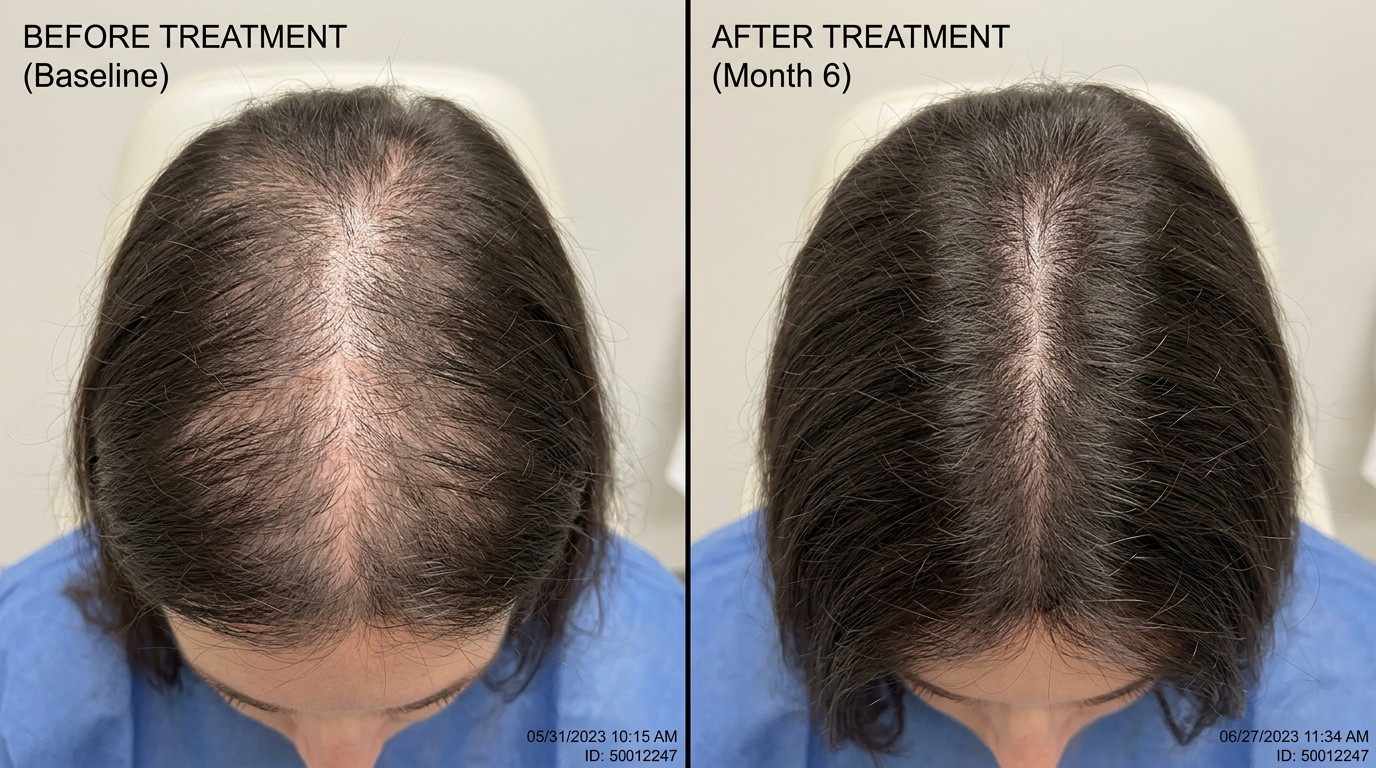
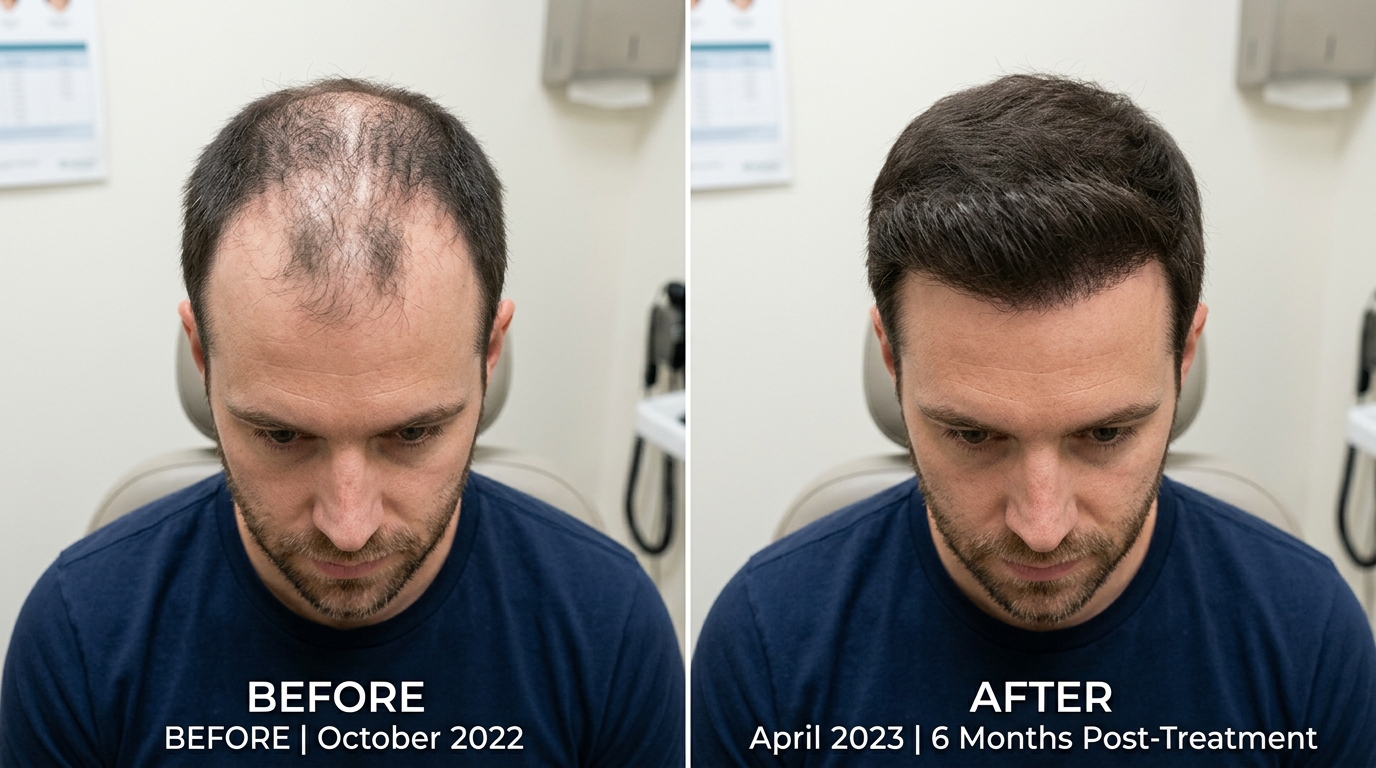
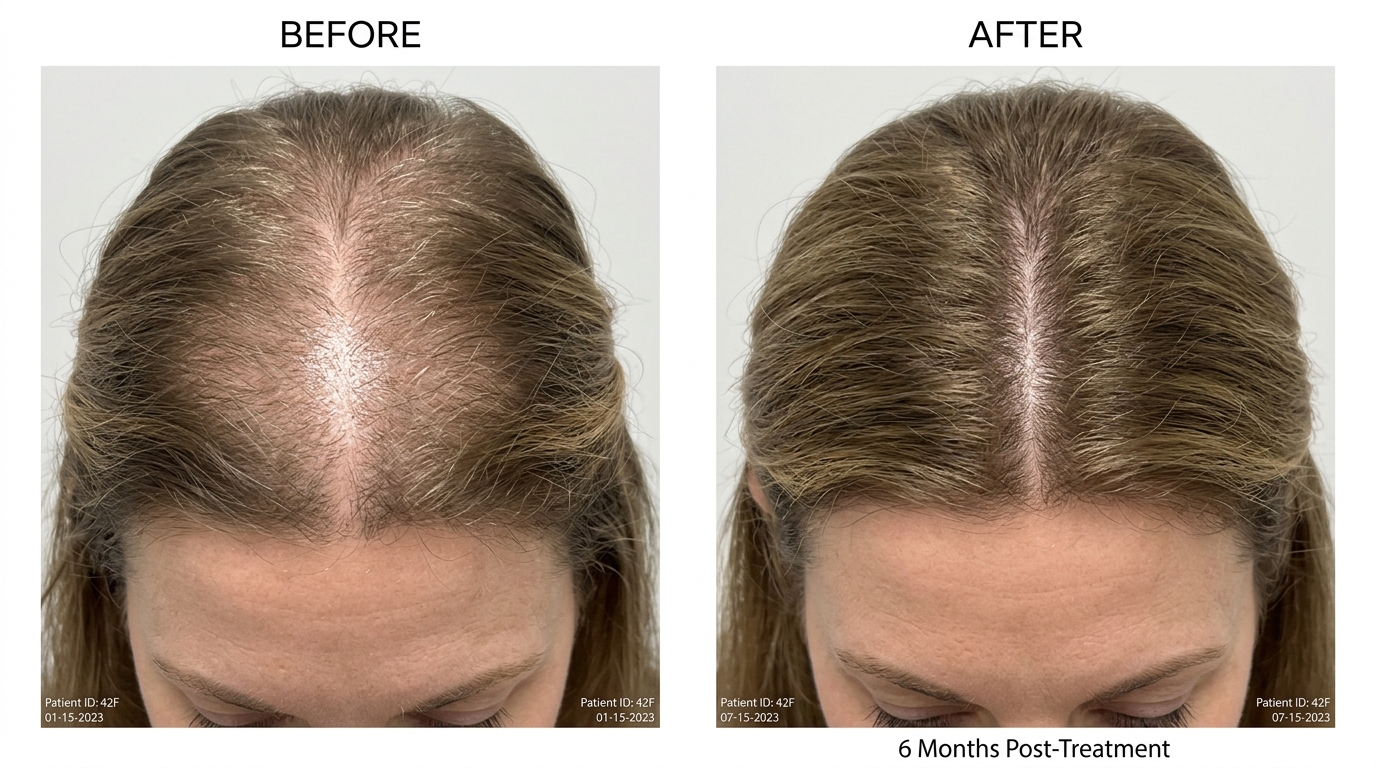
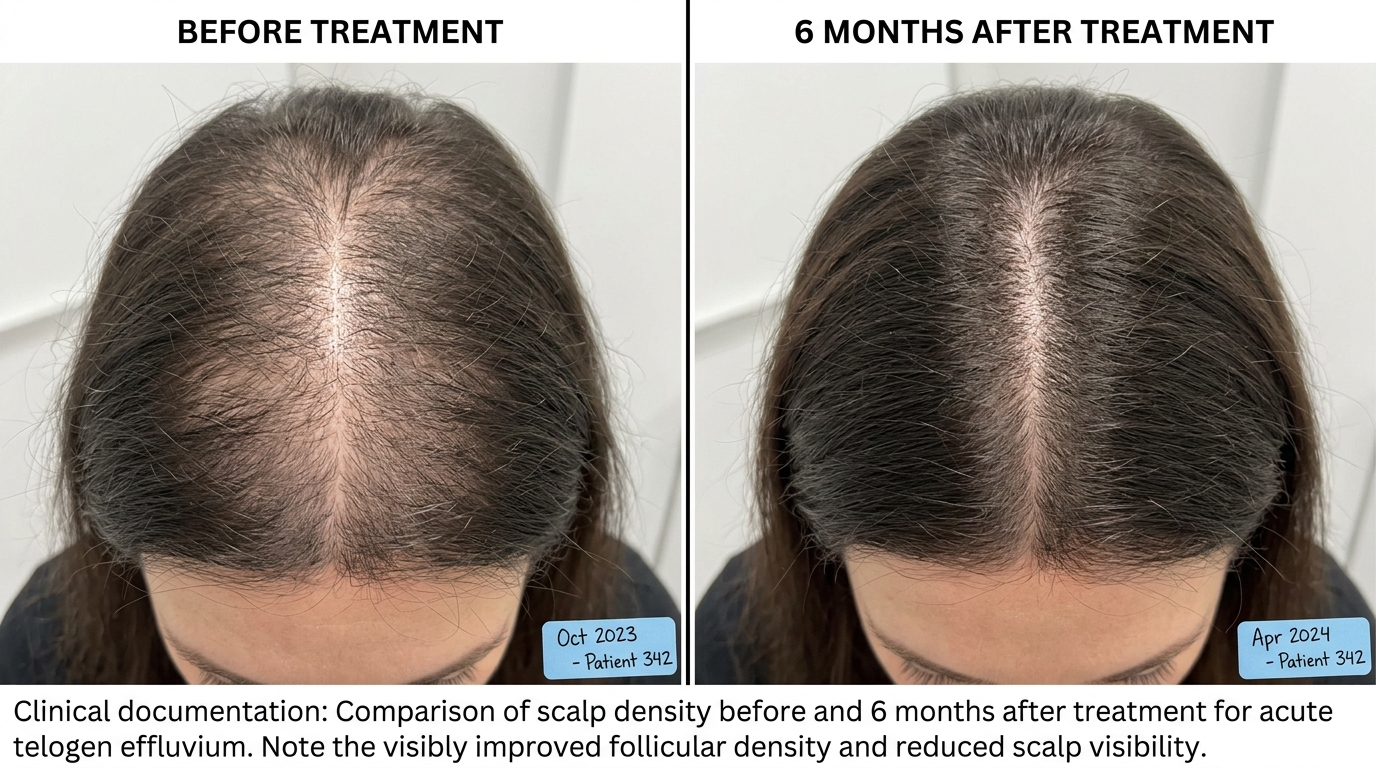
Results vary from patient to patient depending on the type of hair fall, its duration, and how consistently the treatment plan is followed. At your free consultation, we give you a realistic expectation based on your specific diagnosis — not a best-case scenario.
Who Is a Good Candidate for Hair Fall Treatment?
You are likely a good candidate if you:
- Have noticed progressive hair fall from the scalp, hairline, crown, or temples over the past three to six months
- Are experiencing daily shedding significantly above your normal baseline
- Have been diagnosed with or suspect androgenetic alopecia, telogen effluvium, alopecia areata, or diffuse hair fall
- Are experiencing hair fall related to hormonal changes, postpartum recovery, thyroid dysfunction, or nutritional deficiency
- Have tried over the counter anti hair fall products, shampoos, oils, serums, and supplements with limited or no results
- Still have active follicles in the affected area that can be stimulated and reactivated
- Are in good general health with no untreated underlying conditions that contraindicate treatment
- Are committed to following a treatment plan and home care routine consistently
- Live in or around Romford, Hornchurch, Ilford, Barking, Dagenham, Chadwell Heath, or East London
The earlier treatment begins, the more follicles we can preserve and reactivate.
Who Is Not Suitable for Hair Fall Treatment?
You may not be a suitable candidate if you:
- Have advanced scarring alopecia where follicles are permanently destroyed and cannot be reactivated
- Are currently pregnant and require treatments that are contraindicated during pregnancy
- Have an active scalp infection, open wounds, or untreated dermatitis on the scalp
- Have a blood clotting disorder that prevents PRP therapy
- Are undergoing active chemotherapy or radiation treatment
- Have not yet received a proper clinical diagnosis of your specific hair fall type
We always tell you honestly if a treatment is not appropriate for you. Where possible, we suggest an alternative approach or refer you to the right specialist for your needs.
Hair Fall Treatment Cost in Romford
Hair fall treatment cost in Romford at Skin Esthetics Clinic depends on your diagnosis, the treatments recommended, and the number of sessions required. We do not publish a single fixed price list because no two patients have the same condition or the same treatment needs.
What we guarantee is full transparency. At your free consultation, we provide a complete, itemised cost breakdown before you commit to anything. No hidden fees. No pressure. No surprises.
What Affects the Cost of Hair Fall Treatment?
Several factors determine the total cost of your hair fall treatment at Skin Esthetics Clinic:
- The type of hair fall you have and its severity directly affect which treatments are recommended and how many sessions are needed.
- The treatment modalities selected — PRP, exosome therapy, laser, microneedling, or mesotherapy — each carry different costs reflecting the technology, products, and specialist time involved.
- Any additional nutritional support, home care products, or supplements recommended as part of your programme are factored into the overall plan transparently at the outset.
Hair Fall Prevention Tips From Our Specialists
Preventing hair fall from progressing is as important as treating what is already there. Here is what our specialists recommend for ongoing hair and scalp health.
- Wash your hair regularly with a gentle, sulphate-free shampoo
- Use a conditioner appropriate for your hair type on every wash.
- Apply a targeted serum or topical solution to the scalp between washes.
- Massage your scalp for four to five minutes every day using fingertip pressure in circular movements.
- Protect your hair from heat, chemical damage, and tension. Use a heat protectant spray before styling.
- Eat enough protein every day.
- Sleep seven to nine hours every night.
FAQs
Is Hair Fall Treatment Worth the Investment?
Yes. Untreated hair fall progresses. Follicles that miniaturise and are lost cannot be reactivated.
The cost of clinical treatment today is significantly less than the cost financially and emotionally of managing advanced hair fall or pursuing hair transplant surgery later.
Can Hair Fall Be Stopped Permanently?
In many cases, hair fall can be significantly reduced and in some cases stopped entirely with the right treatment.
How Long Does Hair Fall Treatment Take to Work?
Most patients notice a reduction within four to eight weeks of starting treatment.
What Causes Extreme Hair Fall in Women?
Extreme hair fall in women is most commonly caused by severe hormonal imbalance, significant nutritional deficiency particularly iron deficiency anemia, autoimmune conditions such as alopecia areata, or a combination of multiple simultaneous triggers.
Is Laser Treatment Effective for Hair Fall?
Yes. Low level laser therapy is a clinically validated treatment for hair fall with strong published research supporting its effectiveness, particularly for androgenetic alopecia and diffuse hair fall.
Is Hair Fall Treatment Painful?
Most hair fall treatments at Skin Esthetics Clinic involve minimal discomfort. PRP and mesotherapy injections feel like a mild scratch.
Microneedling produces a light vibration sensation on the scalp. Laser treatment is completely painless.
Conclusion
Hair fall is not something you have to watch progress from the sidelines. Whether you are a woman dealing with postpartum shedding, hormonal hair fall, or female pattern loss, or a man watching his hairline recede and his crown thin, there are clinically proven treatments that work.
At Skin Esthetics Clinic, we find the cause and treat it directly. No generic products. No guesswork. Just a thorough clinical assessment, an honest diagnosis, and a personalised treatment plan built around your hair and your scalp.
Book your free hair fall treatment consultation today and take the first real step toward stopping the fall.