- 07774503356
- info@skinestheticsclinic.co.uk
- 7 Barnard Road, RM70HX

- ACNE TREATMENT
- Alopecia Treatment
- Tricology
- Exosome Therapy
- Eye brow lift
- Hair Fall Treatment
- PRP
- Micro needling
- HIFU
- Moles, Warts & Skin Tags Removal
- Scalp health treatment
- IV drip (whitening and vitamins)
- Melasma / hyper pigmentation treatment
- Skin booster
- Wrinkle treatment
- Fillers
- Sculptra
- Anti Aging Treatments
- Hair Thining Treatment
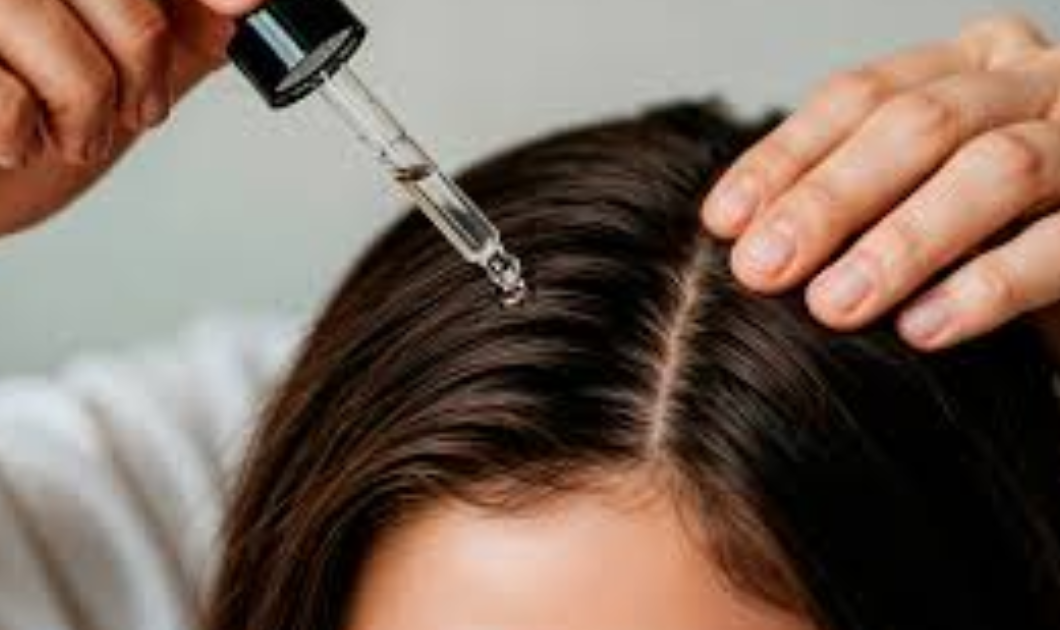
Most people who walk into our clinic in Romford have tried everything. They have changed their shampoo multiple times. They have tried medicated products from the pharmacy. Some have suffered with persistent itching, flaking, or soreness for years. Nothing has worked — not because treatment does not exist, but because they have never had a proper diagnosis.
At Skin Esthetics Clinic in Romford, we treat scalp conditions the way they deserve to be treated. Clinically. With a proper assessment, an accurate diagnosis, and a targeted treatment plan built around your specific scalp condition — not a generic product recommendation.
If you are dealing with a scalp problem that no shampoo has fixed, this is where your answers start.
What Is Scalp Health Treatment?
Scalp health treatment is a clinical approach to diagnosing and resolving conditions that affect the scalp skin, hair follicles, and sebaceous glands. It is not a head massage. It is not a salon treatment. It is clinical assessment and targeted intervention using medical-grade protocols that address the root cause of your scalp problem rather than masking its symptoms.
A healthy scalp has a balanced pH, a functioning skin barrier, controlled sebum production, a stable microbiome, and adequate blood circulation to the follicles. When any of these factors is disrupted, the scalp begins to malfunction — producing itching, flaking, inflammation, pimples, soreness, excessive oiliness, or dryness that over-the-counter products simply cannot resolve.
Why Your Scalp Is More Than Just Skin
The scalp is one of the most biologically active areas of skin on the body. It contains more hair follicles per square centimetre than almost anywhere else. It has a dense network of sebaceous glands that produce the sebum protecting both the scalp and hair shaft. It sits directly over the cranium, which affects blood flow and temperature regulation in ways that no other area of skin experiences.
This biological complexity means that when something goes wrong on the scalp, it often has multiple contributing factors. A professional clinical assessment — not a product recommendation — is the only way to untangle them.
The Difference Between a Clinical Scalp Treatment and a Salon Scalp Service
A salon scalp service typically involves massage, a scalp scrub, and a conditioning treatment. It feels good. It temporarily improves scalp comfort. But it does not diagnose what is wrong, does not deliver medically active ingredients at therapeutic concentrations, and does not address the biological drivers of chronic scalp conditions.
Clinical scalp treatment at Skin Esthetics Clinic uses trichoscopy assessment, medical-grade keratolytic and antifungal protocols, and targeted active ingredient delivery to produce lasting improvement in scalp conditions that salon treatments cannot touch.
Why Scalp Health Matters for Hair Growth
The Direct Link Between Scalp Condition and Hair Loss
The relationship between scalp health and hair growth is one of the most clinically significant and most frequently overlooked aspects of hair loss. Hair follicles are embedded in the scalp dermis and depend entirely on the surrounding tissue for the oxygen, nutrients, and biological signals they need to function.
When the scalp environment becomes hostile — through inflammation, infection, sebum congestion, or microbiome imbalance — follicles cannot complete their growth cycle properly. Shedding increases. New hair grows back finer and weaker. Over time, chronic scalp inflammation accelerates follicle miniaturisation in exactly the same way that genetic and hormonal factors do.
Scalp health treatment is therefore not separate from hair loss treatment. In many cases it is the first and most important step in any hair restoration programme.
How an Unhealthy Scalp Damages Hair Follicles
Seborrhoeic dermatitis and scalp psoriasis create chronic inflammatory signals that disrupt the hair growth cycle and accelerate follicle miniaturisation. Scalp folliculitis, if left untreated, can permanently damage or destroy individual follicles through infection. Excess sebum and product buildup physically block follicle openings and prevent healthy hair shaft emergence. Poor scalp circulation reduces the oxygen and nutrient delivery that follicles need to sustain each growth cycle.
Treating scalp conditions that are contributing to hair thinning removes the hostile environment damaging your follicles. This alone often produces meaningful improvement in shedding and hair density — before any hair restoration treatment has even begun.
Signs You Need Professional Scalp Treatment
Persistent Itching That Nothing Relieves
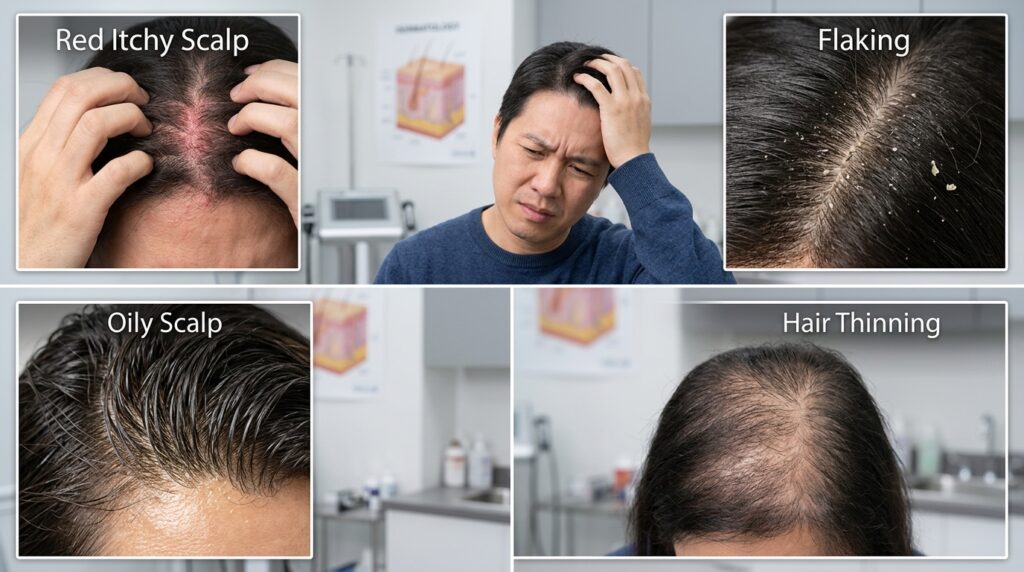
If your scalp itches consistently and over-the-counter products have not provided lasting relief, your itching has a clinical cause that needs clinical assessment. Persistent scalp itching is one of the most common presentations at Skin Esthetics Clinic and one of the most consistently mismanaged — because people treat it as dandruff when it may be seborrhoeic dermatitis, scalp eczema, folliculitis, or contact dermatitis from hair products.
Flaking and Dandruff That Keeps Coming Back
Dandruff that returns within days of washing, or that does not respond to anti-dandruff shampoos, is likely seborrhoeic dermatitis rather than simple dry scalp. These two conditions are frequently confused and require fundamentally different treatments. Using a dry-scalp shampoo on seborrhoeic dermatitis does not work. Using an antifungal protocol on true dry scalp produces irritation rather than relief. Accurate diagnosis makes all the difference.
Redness, Soreness, and Scalp Inflammation
A red, sore, or inflamed scalp is a sign of active inflammation in the scalp tissue. Left untreated, chronic scalp inflammation damages follicles and progressively worsens the underlying condition. This is one presentation where seeing a professional sooner rather than later produces significantly better long-term outcomes.
Oily or Greasy Scalp
An oily scalp that becomes greasy within hours of washing is a sign of overactive sebaceous glands. This creates the ideal substrate for Malassezia yeast overgrowth — the organism responsible for seborrhoeic dermatitis. An oily scalp treatment that rebalances sebum production removes one of the primary drivers of chronic scalp conditions.
Scalp Pimples, Scabs, and Sores
Pimples around hair follicles, scabs that recur, red spots, or pustules on the scalp are signs of folliculitis or scalp acne. Both conditions are treatable but both are frequently misdiagnosed and undertreated with the wrong products. Scalp folliculitis in particular carries a risk of permanent follicle damage if the infection is not correctly identified and cleared.
Hair Thinning Linked to Scalp Condition
If your hair thinning began around the same time as a scalp condition, or if the areas of most visible thinning correspond to areas of scalp inflammation, the two are almost certainly connected. Treatment for the itchy scalp and hair loss together — addressing the scalp condition while supporting follicle recovery — produces better outcomes than treating hair loss while ignoring the scalp.
Scalp Conditions We Treat at Skin Esthetics Clinic Romford
Dry Scalp Treatment
Dry scalp is characterised by tight, dehydrated scalp skin that produces fine white flakes and persistent itching. It is caused by moisture loss from the scalp skin barrier — often triggered by over-washing, sulphate-heavy shampoos, cold weather, low humidity, or contact reactions to hair products.
Our dry scalp treatment in Romford restores the scalp’s moisture barrier, rebalances the skin’s natural oil production, and addresses the specific triggers perpetuating the dryness. For patients asking about dry scalp treatment for men specifically, our approach is identical in clinical terms — male scalps produce more sebum on average but can still develop genuine dryness, particularly with frequent washing or work environments with low humidity.
True dry scalp responds well to a combination of clinical hydration treatment, a switch to a sulphate-free gentle shampoo, and a reduction in washing frequency. Most patients see meaningful improvement within two to four weeks.
Seborrhoeic Dermatitis Treatment
Seborrhoeic dermatitis is the most common chronic scalp condition we treat. It is not simply bad dandruff. It is an inflammatory skin condition driven by an overreaction to Malassezia — a yeast that lives on all skin but overgrows in conditions of excess sebum, compromised skin barrier function, and immune system changes.
The result is red, itchy, greasy-looking flakes that range from mild to severe. It can extend beyond the scalp to the face, eyebrows, behind the ears, and the chest. It affects between 3 and 5% of the UK adult population and can persist for years without the right treatment for seborrhoeic dermatitis of the scalp.
Dry Scalp vs Seborrhoeic Dermatitis — Know the Difference
These two conditions are frequently confused and the distinction matters enormously for treatment.
Dry scalp produces small, fine, white flakes that fall easily from the hair. The scalp skin is tight and dehydrated. Flakes appear powdery. Dry scalp is a moisture problem.
Seborrhoeic dermatitis produces larger, oilier, yellowish or white flakes that tend to stick to the hair shaft. The scalp appears red and inflamed. The condition is driven by yeast overgrowth and inflammation — not dryness.
Treating seborrhoeic dermatitis with a moisturising shampoo makes it worse. Treating dry scalp with an antifungal shampoo causes unnecessary irritation. Our trichoscopy assessment at consultation distinguishes between the two before any treatment is recommended.
The best treatment for seborrhoeic dermatitis on the scalp combines antifungal agents to reduce Malassezia, keratolytic preparations to remove scale, and anti-inflammatory protocols during active flares. It is managed rather than cured — but with the right treatment approach, most patients achieve long periods of remission with minimal symptoms.
Itchy Scalp Treatment
Persistent scalp itching has multiple possible causes and each requires a different treatment approach. Seborrhoeic dermatitis, scalp eczema, psoriasis, folliculitis, contact dermatitis from hair products, and true dry scalp all present with itching. Using the wrong treatment for the wrong condition produces either no benefit or active worsening.
Our itchy scalp treatment in Romford begins with a proper diagnosis. We identify the cause of your scalp itch accurately before recommending anything. This approach consistently produces better outcomes than trial-and-error product changes at home.
Scalp Eczema Treatment
Scalp eczema presents as red, scaly, intensely itchy patches on the scalp. It is related to atopic eczema and is commonly triggered or worsened by allergens, irritants in hair products, temperature changes, and stress. Many patients with scalp eczema also experience eczema on other areas of the body.
Scalp eczema treatment focuses on reducing active inflammation, restoring the skin barrier, identifying and removing the triggers driving flare-ups, and recommending a scalp care routine that supports ongoing management. Fragrance-free, sulphate-free shampoos are typically a first recommendation. Clinical anti-inflammatory preparations are used for active flares.
Scalp Folliculitis Treatment
Scalp folliculitis is inflammation and infection of the hair follicles. It presents as small red or pus-filled pimples — pustules on the scalp — clustered around individual follicle openings. It is itchy, sometimes tender, and can be mistaken for scalp acne.
Scalp folliculitis can be bacterial or fungal in origin and the two types look identical to the naked eye but require completely opposite treatments. Bacterial folliculitis requires antibacterial protocols. Fungal folliculitis requires antifungal treatment — applying antibacterial products to fungal folliculitis makes it worse.
Identifying which type of folliculitis you have is essential. Trichoscopy assessment at Skin Esthetics Clinic allows us to assess the pattern and appearance of follicle involvement in detail and make an accurate determination before treatment begins.
Left untreated, scalp folliculitis can cause permanent follicle scarring and localised hair loss. Early clinical treatment consistently produces complete resolution in the majority of patients.
Oily Scalp Treatment
An overactive scalp producing excess sebum creates a greasy, heavy scalp environment that turns into an ideal breeding ground for Malassezia and the inflammatory conditions it drives. The cycle of over-washing to manage the oiliness strips the scalp barrier and triggers even more sebum production as compensation — making the problem progressively worse.
Our oily scalp treatment rebalances sebum production using scalp microbiome support, targeted sebum-regulating actives, and a home care routine built around the right cleansing frequency and product formulation for your specific scalp type. Breaking the over-washing cycle is often the most significant single intervention.
Scalp Acne Treatment
Scalp acne develops when hair follicles become blocked with sebum, dead skin cells, and product residue. Bacteria multiply in the blocked follicle and produce the same pimples, nodules, and pustules seen in facial acne — but on the scalp, hidden under hair.
Heavy hair oils, dry shampoo used in excess, thick conditioning products applied to the scalp, and infrequent washing all contribute to scalp acne. It can be painful, causes persistent itching, and — in severe cases — leads to localised scarring and hair thinning in affected areas.
Our scalp treatment for pimples uses clinical exfoliation to decongest follicle openings, targeted anti-inflammatory and antimicrobial protocols to clear active lesions, and a personalised home care routine to prevent recurrence.
Flaky Scalp Treatment
Flaking scalp has multiple possible causes. Understanding which type of flaking you have determines which treatment works. Fine white powdery flakes in dry scalp. Larger, oilier flakes in seborrhoeic dermatitis. Thick silvery scales in scalp psoriasis. Adherent flakes around the hair shaft in pityriasis amiantacea.
Our approach to dry flaky scalp treatment begins with accurate identification of the flake type and its underlying cause. Treatment then targets that specific cause — not a generic anti-dandruff approach that may be entirely wrong for your condition.
Scalp Dermatitis Treatment
Scalp dermatitis covers both seborrhoeic dermatitis and contact dermatitis — an allergic or irritant reaction to a substance coming into contact with the scalp. Common culprits include fragrances and preservatives in shampoos and conditioners, hair dye chemicals, and certain styling products.
Contact dermatitis scalp treatment requires identifying and removing the trigger. Patch testing may be recommended where the specific allergen is unclear. Anti-inflammatory treatment addresses the active reaction while the scalp barrier is allowed to recover.
Sensitive Scalp Treatment
Some patients experience persistent scalp sensitivity — pain, burning, or extreme tenderness — without obvious visible skin changes. This can relate to neurological scalp sensitivity, chronic low-grade inflammation, or scalp dysesthesia. We assess sensitive scalp presentations systematically, identifying whether the cause is inflammatory, contact-based, or neurological, and recommend targeted management accordingly.
Scabs and Sores on the Scalp
Scabs on the scalp that recur, sores that do not heal promptly, and red spots on the scalp all warrant clinical assessment. Most represent folliculitis, seborrhoeic dermatitis, or scalp psoriasis but — particularly where sores are slow to heal or change appearance over time — clinical review ensures nothing is missed.
Our Scalp Health Treatment Options in Romford
Every treatment plan at Skin Esthetics Clinic is built around your diagnosis. We do not apply the same protocol to every patient. We combine the right clinical treatments in the right sequence for your specific scalp condition and goals.
Trichoscopy Scalp Analysis and Diagnosis
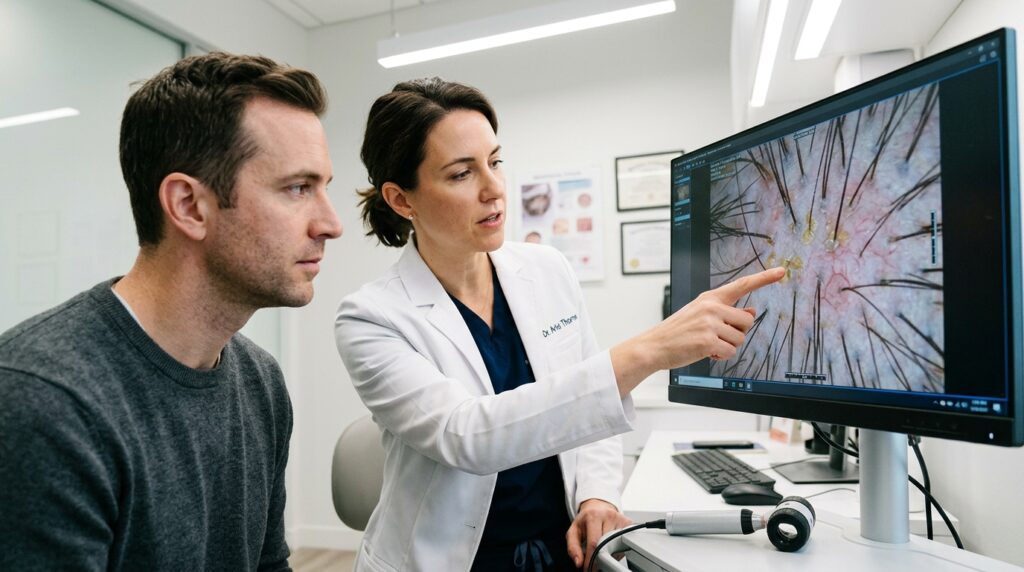
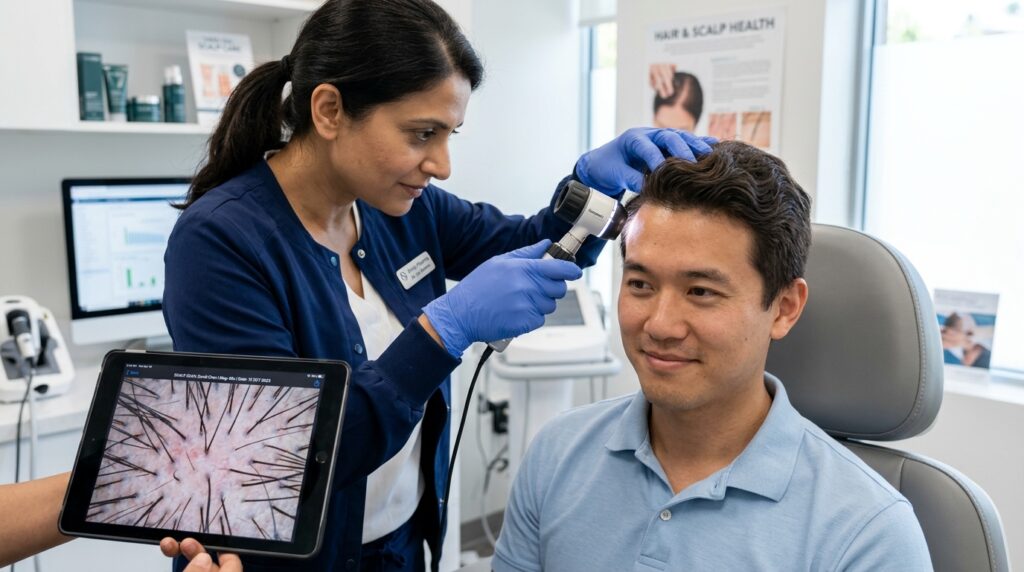
Every scalp health programme at Skin Esthetics Clinic begins with trichoscopy — a non-invasive magnification assessment that allows us to examine the scalp surface, follicle health, sebum levels, scale distribution, microbiome indicators, and signs of inflammation in detail invisible to the naked eye.
This is not an optional extra. It is the clinical foundation on which every treatment decision is built. Without accurate diagnosis, any scalp treatment is guesswork.
Professional Scalp Exfoliation and Deep Cleanse
Medical-grade scalp exfoliation removes the buildup of dead skin cells, excess sebum, product residue, and scale that congests the scalp and blocks follicle openings. This is the starting point for almost every clinical scalp treatment we deliver.
We use salicylic acid exfoliating scalp treatment protocols and targeted keratolytic preparations at clinical concentrations — significantly more effective than the sub-therapeutic levels in over-the-counter exfoliating scalp treatment products.
A clean, decongested scalp dramatically improves the penetration and effectiveness of every other active ingredient we apply during and after the session.
Anti-Inflammatory Scalp Treatment
For seborrhoeic dermatitis, scalp eczema, folliculitis, psoriasis, and contact dermatitis, reducing active inflammation is a clinical priority. We use antifungal protocols for Malassezia-driven conditions, antibacterial treatment for bacterial folliculitis, and targeted anti-inflammatory preparations to calm acute flares and restore a normal scalp environment.
Hydrating Scalp Treatment
For dry scalp, post-inflammatory scalp sensitivity, and eczema-prone scalps, clinical hydration treatment restores the scalp’s moisture barrier using medical-grade humectants, ceramides, and barrier-supporting actives. A hydrating scalp treatment at this clinical level produces lasting improvement in scalp comfort that moisturising scalp treatment shampoos from supermarkets cannot replicate.
Scalp Detox Treatment
Our scalp detox treatment removes accumulated product residue, hard water mineral deposits, and environmental pollutants from the scalp surface using chelating and clarifying protocols. This is particularly relevant for patients in Romford and East London where hard water is a consistent contributor to scalp congestion and follicle blockage.
The scalp detoxification treatment is followed by microbiome-supporting actives that restore the natural scalp environment after deep cleansing.
PRP Scalp Treatment for Hair Loss and Thinning
Where scalp inflammation or chronic scalp conditions are contributing to hair thinning or hair loss, PRP therapy is a powerful addition to the scalp health programme. Platelet-rich plasma delivers concentrated growth factors directly to the scalp dermis, reducing follicle inflammation, improving blood flow and oxygen delivery to follicle cells, and stimulating hair regrowth from dormant follicles.
PRP scalp treatment for hair loss is particularly effective when an underlying scalp condition has been creating a hostile follicle environment. Resolving the scalp condition and stimulating the follicles simultaneously produces significantly better hair recovery outcomes than either approach in isolation.
For patients asking specifically about scalp treatment for thinning hair or hair scalp treatment for hair loss, PRP combined with clinical scalp condition management is our most effective combined protocol.
Microneedling for Scalp Health and Hair Growth
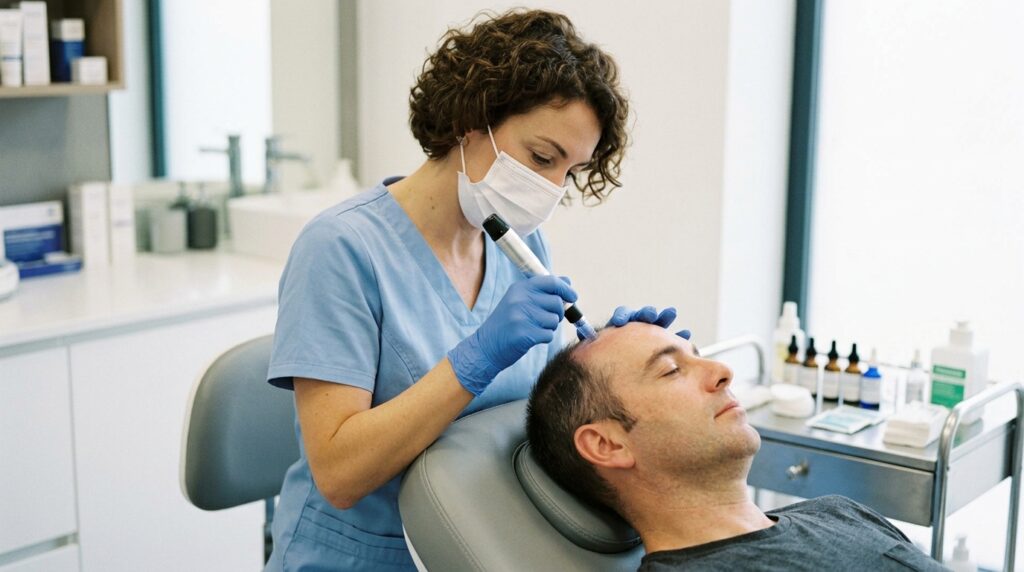
Scalp microneedling creates controlled micro-channels in the scalp that trigger a regenerative response — stimulating collagen production, improving blood circulation to follicles, breaking down scalp fibrosis from chronic inflammation, and significantly enhancing the penetration of active ingredients applied post-treatment.
For patients with both a scalp condition and associated hair thinning, combining microneedling treatment with targeted scalp treatments and PRP produces the strongest combined outcomes across both concerns simultaneously.
The caffeine stimulating scalp treatment effect that many patients look for in topical products is dramatically amplified when caffeine-based serums are applied to the scalp immediately after microneedling — the micro-channels ensure direct follicle-level penetration.
Personalised Scalp Health Programme
For patients with chronic, complex, or multi-condition scalp concerns, a single session is rarely enough. Our personalised programme combines the right clinical treatments in the right sequence alongside a home care routine and product recommendations tailored to your specific scalp type, condition, and lifestyle.
We track your progress at every appointment, adjust the plan based on how your scalp responds, and move you to a maintenance schedule once your condition is under control.
How We Diagnose Your Scalp Condition
Trichoscopy and Visual Scalp Assessment
We examine your scalp under trichoscopy magnification, assessing scale type and distribution, sebum levels, follicle health and density, inflammation patterns, and structural scalp changes. The specific pattern of your flaking — whether fine white, oily yellow, thick silvery, or adherent around the hair shaft — tells us a great deal about the underlying condition before any other information is gathered.
Medical History and Lifestyle Review
We review your medical history, current medications, family history of skin and scalp conditions, stress levels, diet and nutritional habits, current hair care routine, the products you use, and any changes you have noticed in your scalp condition over time. Triggers including seasonal variation, stress events, dietary changes, and product changes all provide important diagnostic information.
Identifying Nutritional and Hormonal Triggers
Nutritional deficiencies — particularly low zinc, iron, and essential fatty acids — directly affect scalp health and barrier function. Hormonal changes including thyroid dysfunction, PCOS, menopause, and postpartum hormonal shifts all alter sebum production and scalp microbiome balance. Where systemic factors are suspected, we recommend targeted blood tests or GP referral to ensure the treatment addresses all contributing factors.
Personalised Treatment Planning
Once we have a complete clinical picture, we explain your diagnosis clearly, outline your treatment options, and build a plan specific to your scalp condition, your scalp type, and your goals. You leave your first consultation with a clear, actionable plan — not a vague recommendation to try a different shampoo.
What to Expect From Scalp Health Treatment
Step 1 — Free Consultation and Scalp Assessment
Your first visit is free. We assess your scalp under trichoscopy, review your history, and give you an accurate diagnosis. If your condition is appropriate for same-day treatment, we can begin in the same appointment.
Step 2 — Personalised Treatment Plan
Based on your assessment, we build a treatment plan specific to your condition, your scalp type, and your timeline. We explain each treatment clearly, what it does, how many sessions you will need, and what results you can realistically expect.
Step 3 — In-Clinic Treatment Sessions
Your sessions are carried out by trained specialists using medical-grade products and equipment. Most scalp health treatment sessions take between 45 and 60 minutes. Treatments are comfortable — exfoliation, anti-inflammatory protocols, and hydration treatments involve no pain and no downtime.
Step 4 — Home Care Programme
What you do between sessions directly affects your outcomes. We build a home care programme around your specific scalp condition — covering the right shampoo and conditioner choice, washing frequency, any topical preparations, and lifestyle adjustments. Your home routine is not generic advice. It is specific to your diagnosis.
Step 5 — Progress Review and Maintenance
We review your results at regular intervals using trichoscopy comparison to measure objective improvements. We adjust the plan as needed. Once your condition is under control, we move you to a maintenance schedule that prevents flare-ups and protects your results long term.
Scalp Health Treatment Results — What to Expect
Results depend on the specific scalp condition, how long it has been present, and how consistently the home care programme is followed alongside clinical sessions.
For dry scalp and mild seborrhoeic dermatitis, most patients see significant reduction in flaking and itching within two to four weeks of starting the right clinical treatment and home care routine.
For moderate to severe seborrhoeic dermatitis and scalp eczema, meaningful improvement typically develops over six to eight weeks. Maintenance sessions every four to six weeks sustain control and reduce flare frequency.
For scalp folliculitis, clinical resolution of active infection typically occurs within four to six weeks when the correct treatment type — bacterial versus fungal — is identified and applied consistently.
For scalp conditions contributing to hair thinning, visible improvement in shedding and early signs of regrowth typically develop at three to six months when PRP or microneedling is combined with scalp health treatment.
Chronic conditions like seborrhoeic dermatitis and scalp psoriasis are managed rather than cured. The goal is excellent ongoing control — a scalp that is comfortable, visually clear, and that supports healthy hair growth throughout the year.
Before and After Scalp Health Treatment Results
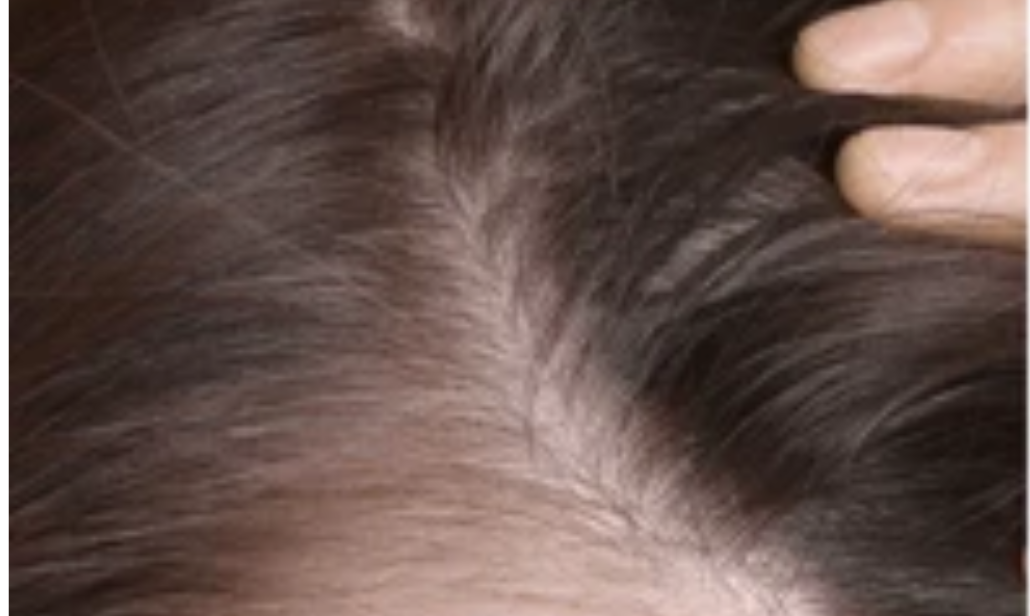
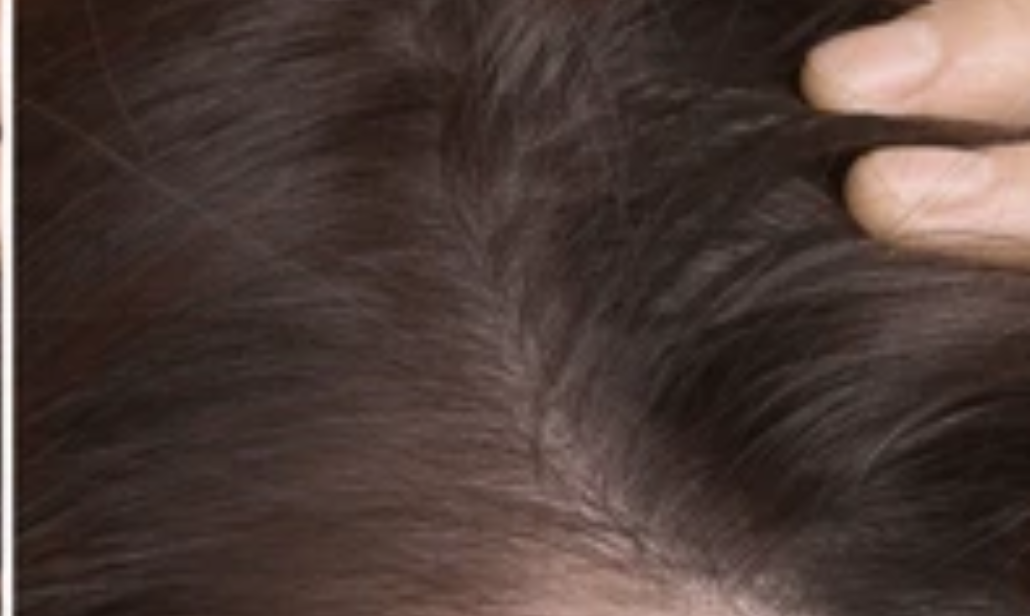
Results vary between patients depending on the specific scalp condition, its severity and duration, and how consistently the home care routine is followed between clinical sessions. At your free consultation, we show realistic before and after comparisons from patients with similar conditions so your expectations are accurate.
Who Is a Good Candidate for Scalp Health Treatment?
You are likely a good candidate if you:
Have a persistent scalp condition — itching, flaking, soreness, redness, pimples, or oiliness — that has not responded adequately to over-the-counter shampoos or home treatments. Suspect you have seborrhoeic dermatitis, scalp eczema, scalp folliculitis, or scalp psoriasis but have never had a proper clinical assessment. Are experiencing hair thinning or increased hair shedding linked to scalp inflammation or a scalp condition. Have a dry, tight, or dehydrated scalp causing chronic discomfort or persistent flaking. Are a man dealing with an oily, itchy, or flaky scalp who has not found effective products. Want professional scalp assessment as part of a broader hair health programme. Live in or around Romford, Hornchurch, Ilford, Barking, Dagenham, Havering, Chadwell Heath, or Essex.
Anyone who has been managing a scalp condition with inconsistent results and no clear diagnosis is a strong candidate for clinical assessment. Knowing what you are dealing with changes everything about how effectively it can be treated.
Who Is Not Suitable for Scalp Health Treatment?
Most people with a scalp condition are suitable for clinical assessment and treatment. A different approach or referral may be needed if you:
Have a scalp condition related to a systemic medical condition requiring specialist dermatological management — particularly severe or treatment-resistant psoriasis or pemphigus. Have an active untreated scalp infection requiring medical prescription before clinic treatment can begin. Are currently undergoing chemotherapy or taking immunosuppressant medications without medical clearance for aesthetic scalp treatment. Have an undiagnosed scalp condition with unusual features including rapid spreading, unexplained bleeding, or changes that may require biopsy.
We assess all of these factors at your free consultation. If our clinical treatment is not the right first step, we will tell you and direct you toward the appropriate pathway.
Scalp Care Tips From Our Specialists
Best Ingredients for Scalp Health
Look for products containing these clinically supported active ingredients:
Salicylic acid — a keratolytic agent that dissolves dead skin cell buildup and clears blocked follicle openings. Particularly effective for seborrhoeic dermatitis scale and scalp acne. The salicylic acid exfoliating scalp treatment approach works because salicylic acid is oil-soluble and penetrates into sebum-congested follicles directly.
Zinc pyrithione — an antifungal and antibacterial agent that reduces Malassezia overgrowth. Found in medicated antifungal shampoos for seborrhoeic dermatitis management.
Ketoconazole — a stronger antifungal agent used in prescription and pharmacy medicated shampoos for seborrhoeic dermatitis and scalp folliculitis.
Niacinamide — reduces scalp inflammation, improves the skin barrier, and regulates sebum production. An excellent supporting ingredient for oily and sensitive scalp types.
Caffeine — a caffeine stimulating scalp treatment applied topically improves blood microcirculation at the follicle level. Most effective in leave-on serums rather than rinse-off shampoos.
Hyaluronic acid — draws and retains moisture in the scalp tissue. Central to any hydrating scalp treatment approach for dry or eczema-prone scalps.
Ceramides — repair and reinforce the scalp skin barrier. Essential for dry scalp, eczema, and post-inflammatory scalp sensitivity.
What to Avoid for a Healthy Scalp
Sulphate-heavy shampoos that strip the scalp barrier and trigger compensatory excess sebum production. Fragrances and preservatives in shampoos and conditioners — two of the most common contact allergens for scalp eczema and contact dermatitis. Dry shampoo used as a daily routine rather than an occasional convenience — it accumulates on the scalp surface, blocks follicles, and contributes to scalp acne and seborrhoeic dermatitis flares. Heavy hair oils and thick conditioners applied directly to the scalp — these block follicle openings and feed Malassezia. Scratching or picking at scalp scabs and pimples — this spreads infection, damages follicles, and significantly worsens scarring outcomes. Excessive heat styling over the scalp — high-temperature styling tools dry and damage the scalp skin alongside the hair shaft.
Daily Habits That Support Scalp Health
Wash at the right frequency for your scalp type. Neither over-washing nor under-washing is healthy. Most scalp types do best with washing every two to three days. Seborrhoeic dermatitis during an active flare may benefit from more frequent washing with the right medicated shampoo — applied to the scalp and left for three to five minutes before rinsing.
Rinse hair products completely. Conditioner residue, styling product buildup, and incomplete shampoo rinsing all contribute to scalp congestion. Always rinse thoroughly and keep styling products away from the scalp itself.
Massage your scalp for four to five minutes daily. Gentle fingertip circular pressure improves blood circulation to follicles, distributes sebum evenly, and provides a natural treatment for itchy scalp that has been shown in clinical studies to improve hair density over twelve weeks.
Use a shower filter. Romford and the wider Essex area have hard water. Mineral deposits from hard water alter scalp pH, strip the barrier, and contribute to dryness and irritation. A shower filter significantly reduces this impact.
Manage stress. Seborrhoeic dermatitis, scalp eczema, and scalp psoriasis all have stress as a documented flare trigger. Cortisol elevation from chronic stress disrupts the scalp microbiome and inflammatory balance. Stress management is clinical, not optional, for patients with these conditions.
Scalp Health Treatment Cost in Romford
Scalp health treatment price at Skin Esthetics Clinic in Romford depends on the condition being treated, the clinical protocols required, and the number of sessions in your programme. We do not publish a fixed price list because no two patients have the same diagnosis or the same treatment needs.
What we guarantee is complete transparency. At your free consultation, we provide a full cost breakdown before you commit to anything. Our scalp treatment Romford prices reflect the clinical quality of our assessment, the medical-grade products used, and the follow-up support included in every programme. No hidden fees.
Course packages for patients committing to a full treatment programme are available at a reduced per-session rate. Same-day consultation and treatment is available where clinically appropriate.
Why Choose Skin Esthetics Clinic for Scalp Health Treatment in Romford?
Clinical diagnosis before everything. We never recommend or apply a scalp treatment without a proper assessment. Trichoscopy at every consultation ensures that every treatment decision is based on accurate clinical information about your specific scalp condition.
The right treatment for your specific condition. Dry scalp, seborrhoeic dermatitis, scalp eczema, folliculitis, oily scalp, and scalp acne all require different approaches. We identify which condition you have and treat that — not a generic scalp condition.
Medical-grade products and protocols. Every treatment at Skin Esthetics Clinic uses clinical-grade formulations at therapeutic concentrations. The active ingredient concentrations we use are significantly higher than anything available over the counter.
Hair loss addressed alongside scalp health. We understand and treat the relationship between scalp condition and hair loss. Where scalp inflammation is contributing to hair thinning, we integrate PRP therapy and microneedling into the programme for the best combined outcome.
Local, accessible, and trusted. We serve patients from across Romford, Hornchurch, Ilford, Barking, Dagenham, Chadwell Heath, Harold Wood, Havering, and the wider Essex area. No GP referral needed. Same-week appointments available. Your first consultation is free.
Conclusion
A scalp condition that has not been properly diagnosed will not be effectively treated. No matter how many shampoos you try, how many home remedies you attempt, or how many products claim to solve the problem — without knowing what is actually wrong with your scalp, every treatment is guesswork.
At Skin Esthetics Clinic in Romford, we take scalp health seriously. We assess properly, diagnose accurately, and treat specifically — so that patients who have been dealing with itching, flaking, soreness, or scalp inflammation for years finally get results that actually last.
Whether you are dealing with dry scalp, seborrhoeic dermatitis, scalp eczema, folliculitis, or an itchy scalp and hair loss together, your first consultation is free. No GP referral. No obligation. Just a thorough clinical assessment of your scalp and a clear, honest treatment plan.
We see patients from across Romford, Hornchurch, Ilford, Barking, Dagenham, Chadwell Heath, and Essex. Same-week appointments are available.
Book your free scalp health consultation today and get the answers your scalp deserves.
FAQs
What is the best treatment for a dry scalp?
The best dry scalp treatment depends entirely on what is causing the dryness. True dry scalp — caused by dehydration and a compromised skin barrier — responds to hydrating scalp treatment, a switch to a sulphate-free gentle shampoo, and a reduction in washing frequency. If the dryness is accompanied by oily flakes, redness, and itching, it may actually be seborrhoeic dermatitis rather than dry scalp, which requires antifungal and anti-inflammatory treatment. At Skin Esthetics Clinic Romford, we diagnose the specific cause before recommending any treatment so you get the right solution the first time.
Can seborrhoeic dermatitis be cured?
Seborrhoeic dermatitis cannot be permanently cured, but it can be brought under excellent clinical control. With the right treatment for seborrhoeic dermatitis of the scalp — antifungal agents, keratolytic preparations for scale, and anti-inflammatory protocols during flares — most patients achieve long periods of remission with minimal symptoms. The key is establishing the right clinical programme and home care routine to manage the condition proactively.
Why is my scalp so itchy?
Persistent scalp itching has multiple possible causes — seborrhoeic dermatitis, scalp eczema, psoriasis, folliculitis, contact dermatitis from hair products, dry scalp, or scalp acne. The only reliable way to know which is causing yours is a clinical assessment. Using the wrong treatment for the wrong cause either does nothing or makes the condition worse. We offer free consultations at our Romford clinic specifically to identify the cause of persistent scalp itching and build an effective treatment plan around it.
Is scalp health treatment suitable for hair loss?
Yes. Scalp conditions including seborrhoeic dermatitis, folliculitis, psoriasis, and chronic scalp inflammation are documented drivers of hair thinning and shedding. Treating the scalp condition removes the hostile environment that is damaging follicles. For patients where hair loss is a concern alongside a scalp condition, we integrate PRP therapy and microneedling into the scalp health programme for the strongest combined outcomes across both concerns.
How many scalp treatment sessions do I need?
This depends on your specific condition and its severity. Mild dry scalp and early seborrhoeic dermatitis typically improve meaningfully with two to four clinical sessions alongside the right home care programme. Moderate to severe seborrhoeic dermatitis, scalp eczema, and scalp folliculitis usually require six to eight sessions for lasting control. Maintenance sessions every four to six weeks sustain results and prevent flare-ups. We give you a specific session estimate at your free consultation based on your diagnosis.
How much does scalp health treatment cost in Romford?
Scalp treatment Romford price at Skin Esthetics Clinic depends on the condition being treated and the protocols required. We provide a full transparent cost breakdown at your free consultation before you commit to anything. Course packages are available at a reduced per-session rate. There are no hidden fees and no pressure to proceed.
Does scalp treatment help with dandruff?
Clinical scalp treatment is significantly more effective for persistent dandruff than over-the-counter shampoos, particularly when dandruff is caused by seborrhoeic dermatitis rather than simple dry scalp. Professional scalp exfoliation, antifungal treatment protocols, and a targeted home routine combining the right medicated shampoo with proper sebum management produce results that the scalp and dandruff treatment products available in pharmacies rarely achieve when used alone.
What causes scalp folliculitis?
Scalp folliculitis is caused by bacterial or fungal infection of the hair follicles. Bacterial folliculitis is most commonly caused by Staphylococcus aureus entering damaged follicle openings. Fungal folliculitis is caused by Malassezia yeast overgrowth within the follicle. Both types present with similar symptoms — red or pus-filled pimples around follicles — but require completely opposite treatments. Bacterial folliculitis needs antibacterial treatment. Fungal folliculitis needs antifungal treatment. Applying antibacterial products to fungal folliculitis makes it worse. Clinical assessment to distinguish between the two is essential.
Can I use normal shampoo with scalp eczema?
Standard shampoos containing sulphates, fragrances, and preservatives are among the most common triggers for scalp eczema flare-ups. Switching to a fragrance-free, sulphate-free, hypoallergenic shampoo formulated for sensitive scalp treatment is typically the first clinical recommendation. We advise every patient on specific, appropriate product choices for their scalp condition as part of the treatment plan.
Is scalp acne the same as facial acne?
Scalp acne shares the same fundamental mechanism as facial acne — blocked follicles, sebum and dead cell accumulation, and bacterial proliferation producing pimples, pustules, and nodules. However, the contributing factors and treatment approach have important specific differences. Heavy hair products, dry shampoo overuse, and infrequent washing all play a role in scalp acne that does not apply to facial acne. At Skin Esthetics Clinic, we treat scalp acne as the specific condition it is with protocols designed for the scalp environment.
What is the difference between dry scalp and dandruff?
Dry scalp and dandruff are frequently confused but are different conditions. Dry scalp is caused by moisture loss from the scalp skin — it produces small, fine, white flakes that fall easily and is accompanied by a tight, uncomfortable scalp. Dandruff — seborrhoeic dermatitis — is caused by Malassezia yeast overgrowth and produces larger, oilier, yellowish flakes that tend to stick to hair. The scalp appears red and feels greasy rather than dry. Treating dry scalp with an anti-dandruff shampoo causes irritation. Treating seborrhoeic dermatitis with a moisturising dry scalp shampoo makes the condition worse. Accurate diagnosis first is everything.
Can a dry itchy scalp cause hair loss?
Yes. A persistently dry itchy scalp can contribute to hair loss through several mechanisms. Chronic scalp inflammation — even low-grade — disrupts the hair growth cycle and accelerates follicle miniaturisation. Scratching a persistently itchy scalp causes physical trauma to follicles and the scalp skin barrier. Untreated seborrhoeic dermatitis and scalp folliculitis, both of which cause itching, directly damage follicles over time. Treating the underlying scalp condition resolves the itch and removes its contribution to hair loss simultaneously.
Book Your Free Scalp Health Consultation in Romford
Persistent scalp itching, flaking, soreness, or inflammation is not something you have to keep managing with products that are not working. The solution starts with knowing what is actually causing your scalp problem — and that starts with a proper clinical assessment.
At Skin Esthetics Clinic in Romford, your first scalp health consultation is completely free. No GP referral needed. No obligation. Just a thorough trichoscopy assessment of your scalp and a clear, honest treatment plan built around your specific condition.
We see patients from across Romford, Hornchurch, Ilford, Barking, Dagenham, Chadwell Heath, Harold Wood, Havering, and the wider Essex area. Same-week appointments are available.
Book your free scalp health consultation today and take the first real step toward a healthy scalp and healthier hair.