
- ACNE TREATMENT
- Alopecia Treatment
- Tricology
- Exosome Therapy
- Eye brow lift
- Hair Fall Treatment
- PRP
- Micro needling
- HIFU
- Moles, Warts & Skin Tags Removal
- Scalp health treatment
- IV drip (whitening and vitamins)
- Melasma / hyper pigmentation treatment
- Skin booster
- Wrinkle treatment
- Fillers
- Sculptra
- Anti Aging Treatments
- Hair Thining Treatment
Losing hair is not just a physical change. It affects how you see yourself, how you walk into a room, and how confident you feel every single day. For many people across Romford and East London, hair loss becomes something they think about constantly.
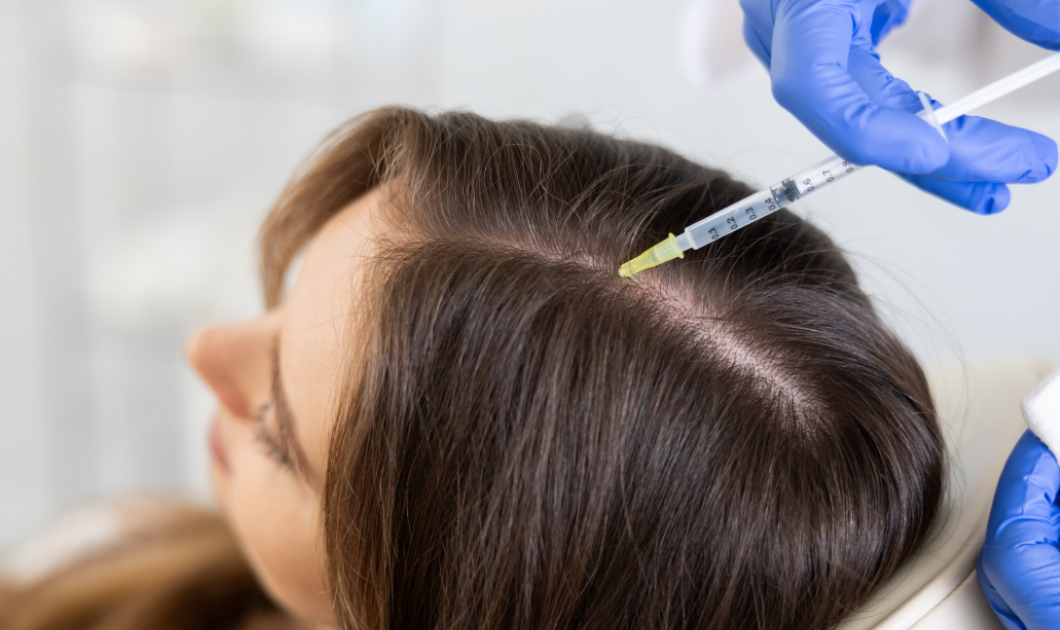
PRP hair treatment is different. It uses your own blood, your own platelets, and your own growth factors to reactivate dormant hair follicles and stimulate natural regrowth.
At Skin Esthetics Clinic in Romford, we have helped patients from across Romford, Hornchurch, Ilford, Barking, Dagenham, and East London achieve real, visible results with PRP therapy.
If you are dealing with thinning hair, active hair fall, or progressive hair loss, this page will tell you everything you need to know.
What Is PRP Hair Treatment?
PRP stands for Platelet Rich Plasma. It is a concentration of your own blood plasma that has been processed to contain a significantly higher level of platelets than normal blood. Those platelets carry growth factors and biological proteins that signal cells to repair, regenerate, and grow.
How Does PRP Hair Treatment Work?
The mechanism behind PRP is straightforward. Your blood contains red cells, white cells, platelets, and plasma. Platelets are the cells responsible for healing. When the body sustains an injury, platelets rush to the area, release growth factors, and initiate the repair process.
PRP therapy concentrates those platelets by spinning your blood in a centrifuge. The resulting plasma contains three to five times the normal concentration of platelets and the growth factors they carry. When this concentrated plasma is injected into areas of hair loss on the scalp, those growth factors stimulate the follicle directly.
Why PRP Is Different From Other Hair Loss Treatments
Most hair loss treatments work externally. Topical solutions sit on the scalp surface. Shampoos and serums improve the condition of existing hair without reaching the follicle at the depth where hair growth is actually regulated.
PRP delivers its therapeutic effect directly to the follicle through injection. There is no barrier between the growth factors and the cells they need to stimulate.
The plasma is injected precisely into the areas of thinning and loss, at the depth of the follicle, where it has immediate biological access to the cells that determine whether hair grows or not.
This direct delivery mechanism is what makes PRP more effective than surface treatments for established hair loss — and what makes the results more consistent and more measurable.
Is PRP Hair Treatment Scientifically Proven?
Yes. PRP hair treatment has a substantial and growing body of clinical evidence supporting its effectiveness for hair loss. A 2019 study published in the Dermatologic Surgery journal observed increased hair density and thickness in patients who underwent a course of PRP therapy.
What Causes Hair Loss That PRP Can Treat?
PRP is not effective for every type of hair loss. Understanding which conditions respond best to PRP therapy helps set realistic expectations and ensures that every patient at Skin Esthetics Clinic receives the right treatment for their specific diagnosis.
Androgenetic Alopecia — Male and Female Pattern Hair Loss
Androgenetic alopecia is the most common cause of progressive hair loss in both men and women. It is driven by genetic sensitivity of the hair follicle to dihydrotestosterone.
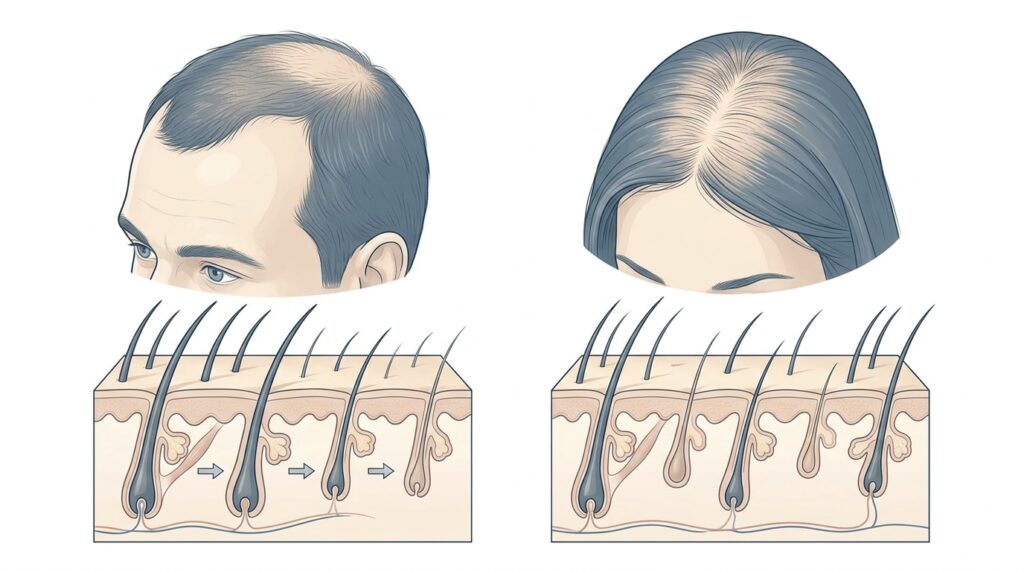
DHT binds to androgen receptors in susceptible follicles, shortens the growth cycle, and progressively miniaturises the follicle over successive generations of hair growth.
PRP therapy is one of the most effective non-surgical treatments for androgenetic alopecia. The growth factors in PRP counteract the miniaturisation process, extend the anagen growth phase, and reactivate follicles that have entered a dormant state.
Telogen Effluvium and Stress Related Hair Loss
Telogen effluvium occurs when a significant proportion of follicles are pushed into the resting phase simultaneously, usually triggered by physical or psychological stress, illness, surgery, or extreme nutritional deficiency. The result is sudden, widespread shedding that can be alarming in its volume and speed.
Postpartum Hair Loss in Women
Postpartum hair loss is a form of telogen effluvium triggered by the hormonal shift after delivery. When estrogen levels drop sharply after childbirth, large numbers of follicles move into the resting phase simultaneously and shed two to four months later.
For most women this resolves on its own within twelve months. For those with persistent or severe postpartum loss, PRP therapy significantly accelerates follicle recovery and restores density faster than waiting alone.
Thinning Hair and Follicle Miniaturisation
Progressive hair thinning where each growth cycle produces a finer, shorter strand is driven by follicle miniaturisation. The follicle is still active but is producing hair of progressively lesser quality.
PRP arrests this miniaturisation process, supplies the growth factors the follicle needs to rebuild its structure, and restores the capacity to produce full-diameter hair strands.
This is one of the most common presentations we treat at Skin Esthetics Clinic and one where PRP produces consistently strong results when treatment begins before miniaturisation is complete.
Diffuse Hair Loss and Scalp Inflammation
Diffuse hair loss widespread thinning across the entire scalp rather than in a defined pattern is often driven by scalp inflammation, nutritional deficiency, or hormonal imbalance. Chronic inflammation in the dermis and around the follicle directly impairs follicle function and accelerates hair loss.
PRP has documented anti-inflammatory properties. The growth factors it delivers reduce the inflammatory signals that damage follicles, restore healthy blood flow and oxygen supply to the scalp tissue, and create the biological environment that follicles need to recover and grow.
PRP Hair Treatment Benefits
Stimulates Natural Hair Regrowth
PRP delivers concentrated growth factors directly to dormant and weakened hair follicles, reactivating them and stimulating new hair production. Regrowth is natural, your own hair, growing from your own follicles, with no synthetic implants or external additions.
Reduces Active Hair Fall and Shedding
One of the first improvements most patients notice is a reduction in daily hair fall. As follicles become healthier and better nourished through improved blood flow and growth factor stimulation.
Improves Hair Density and Volume
As dormant follicles reactivate and existing follicles produce thicker, stronger strands, overall hair density and volume improve progressively over the treatment course. Most patients notice significant density improvement within three to six months of starting PRP therapy.
Strengthens Existing Hair Follicles
PRP does not only reactivate dormant follicles, it strengthens follicles that are still active but producing weaker hair. Growth factors repair follicle cells, improve the quality of the dermal papilla, and enhance the follicle’s capacity to sustain healthy hair production over time.
Safe Non Surgical and Minimally Invasive
Because PRP uses your own blood, the risk of allergic reaction, rejection, or adverse immune response is negligible. It is a minimally invasive procedure that does not require general anaesthetic, surgical incision, or significant recovery time. The risks associated with PRP are significantly lower than those associated with hair transplant surgery.
No Downtime Required
Most patients return to normal activities the same day or the following day after PRP hair treatment. Mild scalp tenderness, redness, and swelling at the injection sites are common for 24 to 48 hours but do not prevent daily function. There is no surgical recovery period and no time off work required.
PRP Hair Treatment Procedure at Skin Esthetics Clinic Romford
Every PRP session at Skin Esthetics Clinic follows a consistent, medically precise protocol. Here is exactly what happens during your treatment.
Step 1 Blood Draw and Preparation
We draw a small sample of blood from your arm, typically between 10 and 30 millilitres depending on the areas being treated.
Step 2 Centrifugation and PRP Separation
Your blood sample is placed in a medical-grade centrifuge and spun at a precisely calibrated speed for a set duration. This separates the blood into its components, red blood cells, platelet-poor plasma, and the platelet-rich plasma we use for treatment. The PRP layer is carefully extracted and prepared for injection.
Step 3 Scalp Preparation and Numbing
We cleanse your scalp thoroughly and apply a topical numbing preparation to the treatment areas. We allow adequate time for the numbing to take full effect before any injections begin.
Step 4 PRP Injection Into the Scalp
Using a fine needle, we inject the prepared PRP directly into the scalp at the level of the hair follicles across the areas of thinning or loss. Injections are placed in a systematic grid pattern to ensure even coverage of the treatment area.
The injection phase typically takes between 20 and 30 minutes depending on the size of the area being treated.
Step 5 Post Treatment Care and Aftercare Advice
Once the injections are complete, we apply a soothing preparation to the scalp and provide you with a full written aftercare guide.
We discuss what to expect over the following 24 to 72 hours, what to avoid, and when to return for your next session. You are never sent home without a clear picture of what comes next.
Best PRP Hair Treatment for Ladies
Female hair loss is the most searched hair loss topic in the UK and one of the most underserved by standard treatment approaches. Women experience hair loss differently to men, the pattern, the cause, the hormonal context, and the emotional impact are all distinct.
Female pattern hair loss responds well to the growth factor stimulation PRP provides. Postpartum hair loss recovers faster with PRP support than with observation and nutritional care alone. Menopause-related thinning, where falling estrogen levels remove a key protective factor for follicles, responds positively to the regenerative signals PRP delivers to the follicle cells.
Female PRP hair treatment at Skin Esthetics Clinic is adapted to the specific hormonal context and hair loss pattern of each patient. We assess your specific type of female hair loss at consultation and build a PRP programme around your individual needs.
For ladies experiencing thinning after childbirth, hormonal shifts, or the progressive density loss of female pattern hair loss, PRP offers a safe, natural, and clinically effective path to recovery. No GP referral is needed. Your first consultation is free.
PRP Hair Treatment for Men
Male pattern hair loss affects the majority of men to some degree by middle age. The receding hairline, the thinning crown, the progressive merging of these two areas, is one of the most emotionally impactful conditions we treat at Skin Esthetics Clinic.
PRP treatment for hair loss in men works by targeting the DHT-sensitive follicles that are driving the miniaturisation process. Growth factors in the PRP counteract the shrinking of the follicle, extend the growth phase, and reactivate dormant follicles in the affected areas.
For men in the early to mid stages of androgenetic alopecia, PRP produces meaningful improvements in hairline density, crown coverage, and overall hair volume.
Men’s hair fall treatment with PRP is carried out at Skin Esthetics Clinic by experienced practitioners using a medical-grade PRP protocol. Every male patient receives an individual assessment and a treatment programme built around their specific hair loss pattern and stage.
Before and After PRP Hair Treatment Results
Real results from real patients speak more clearly than any clinical description we can provide.
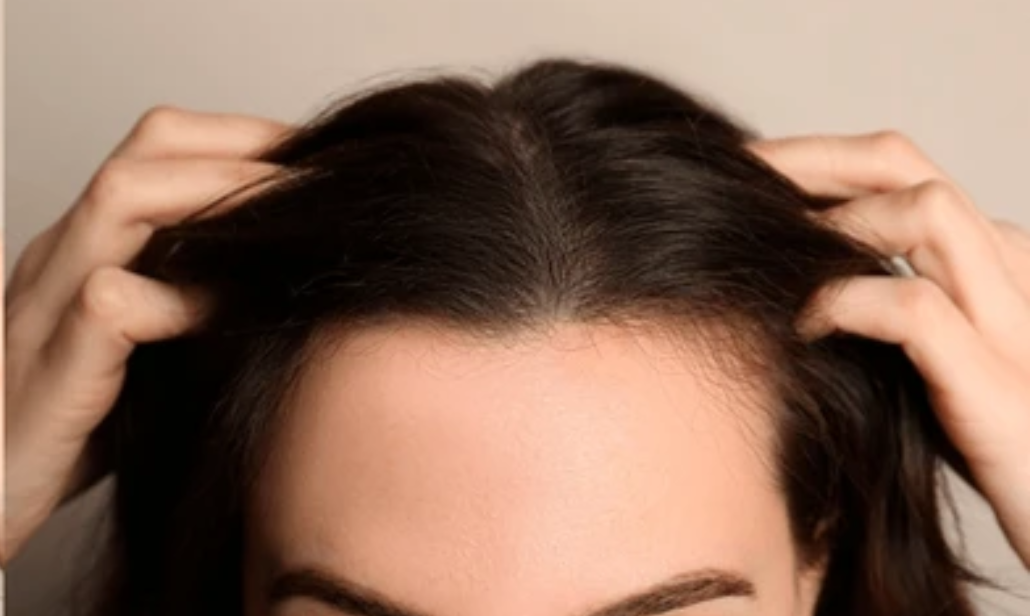
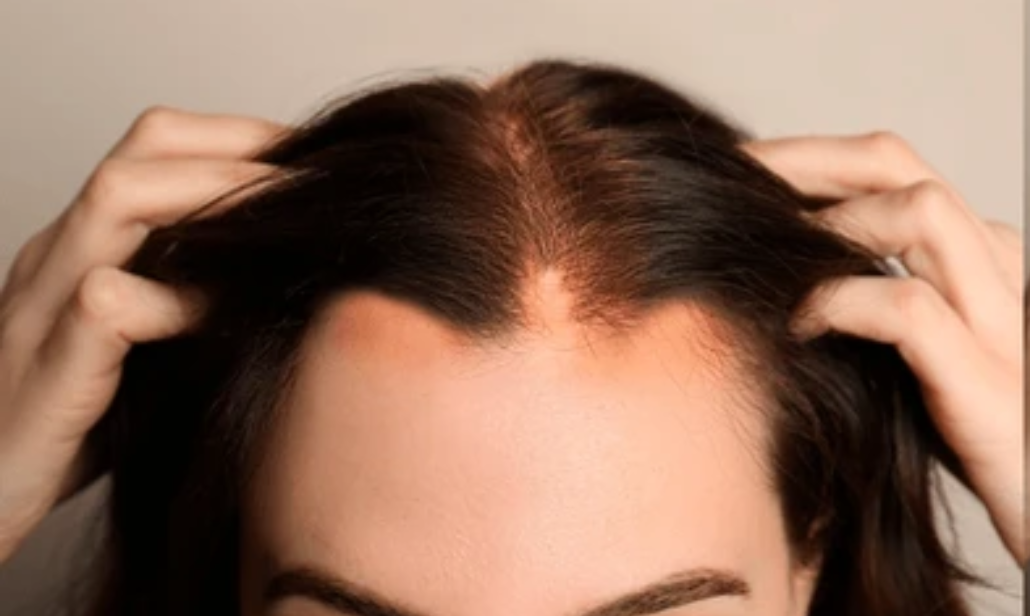
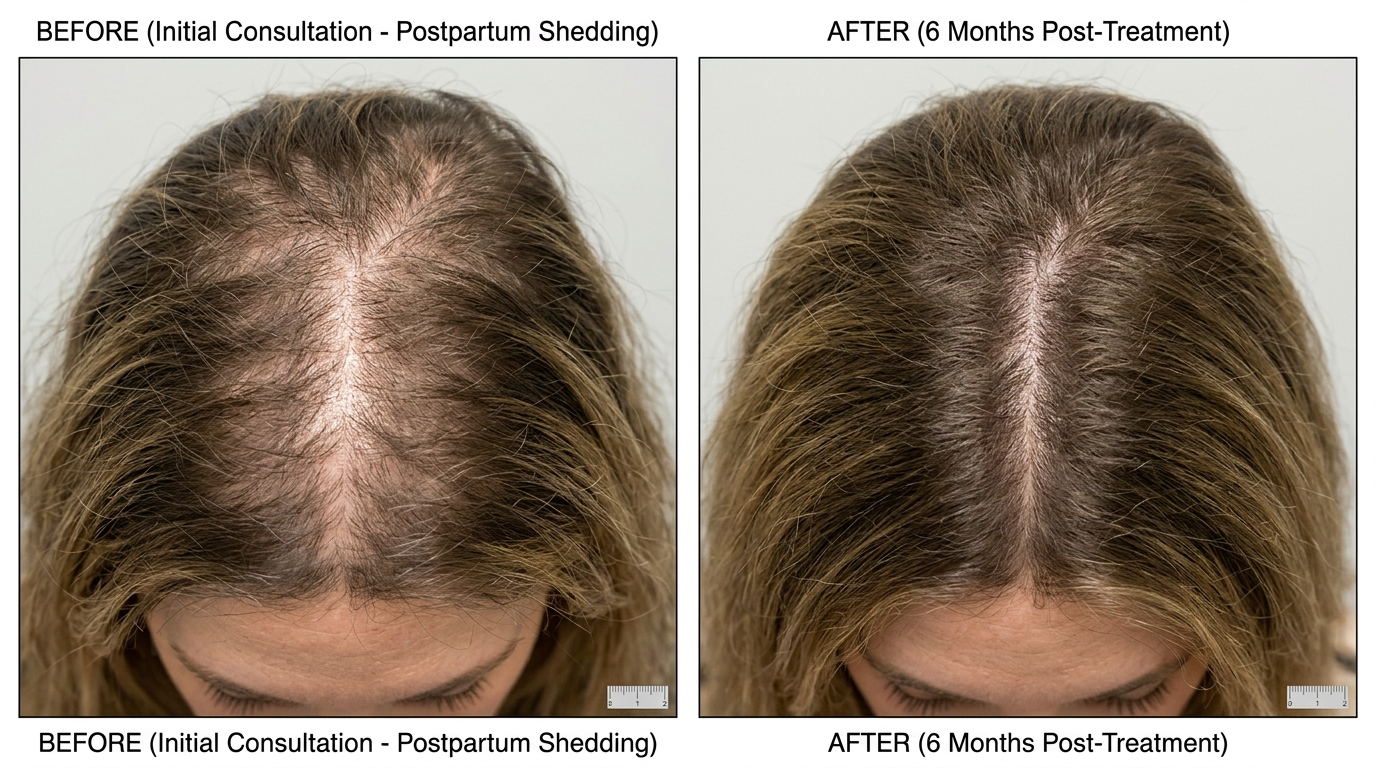
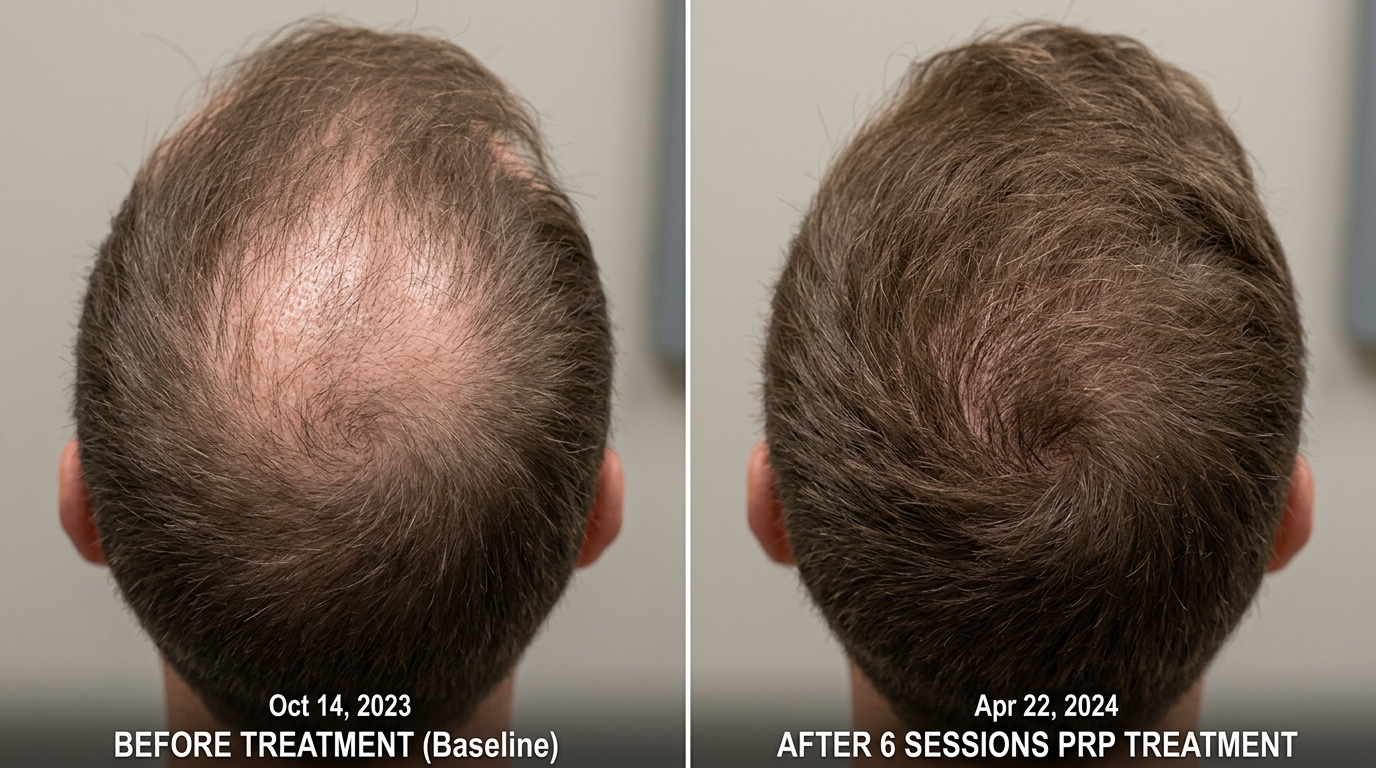
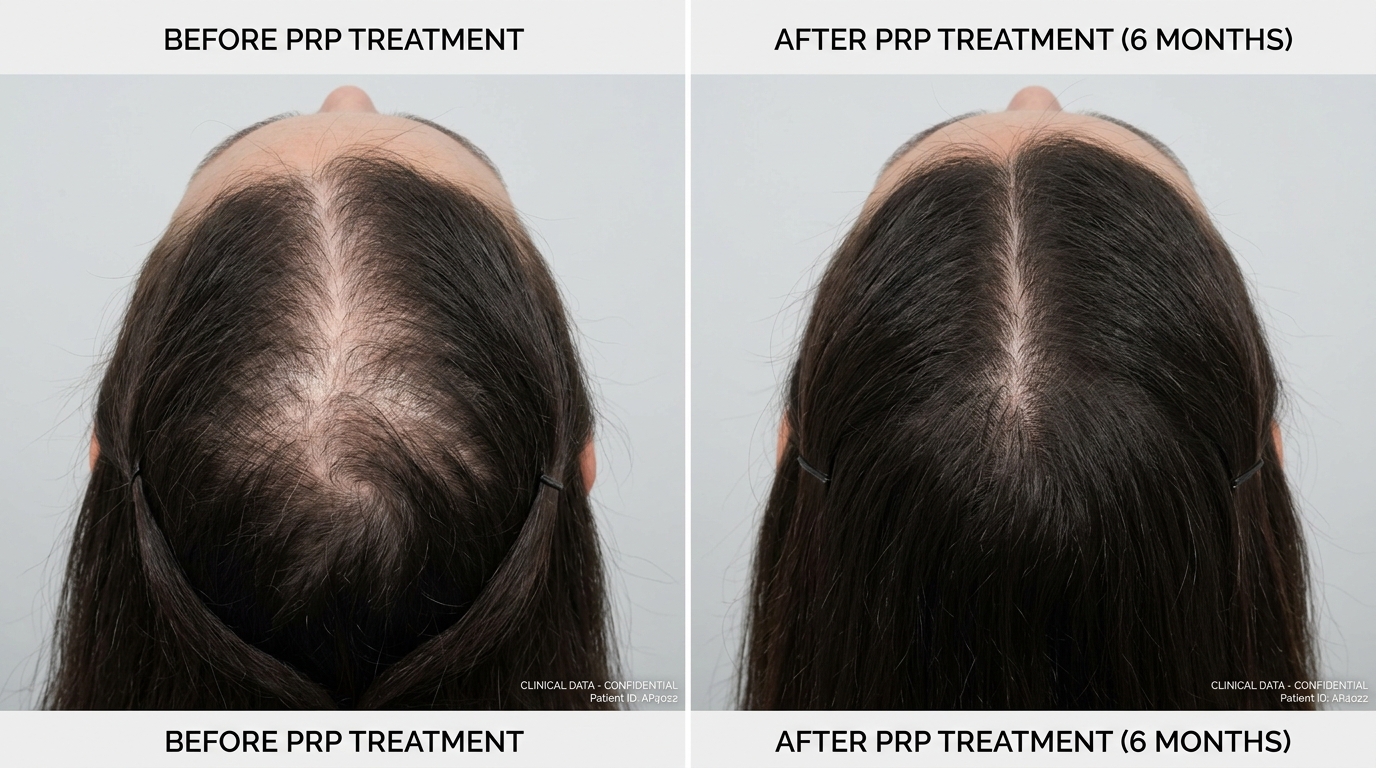
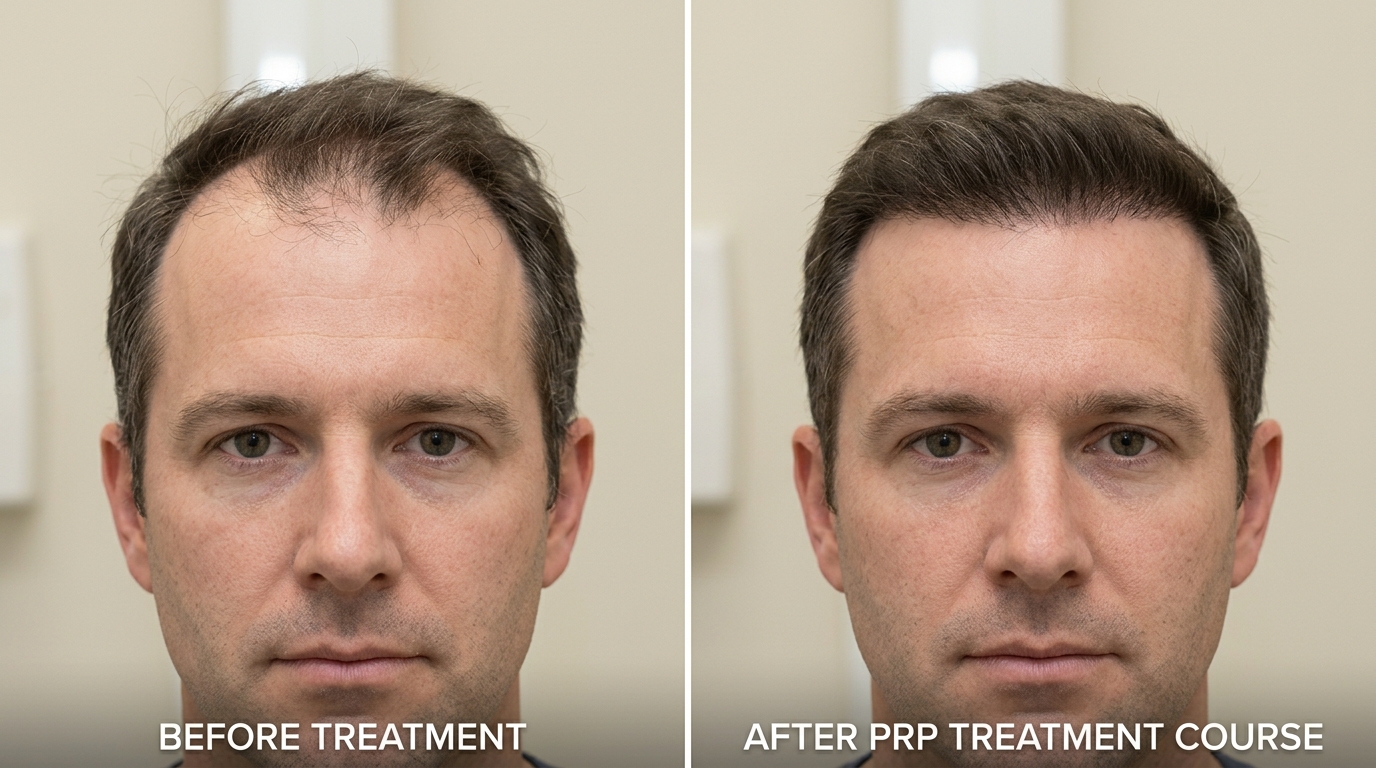
PRP hair treatment before and after results vary between patients depending on the type of hair loss, how long it has been present, the stage of follicle miniaturisation, and how consistently the treatment programme is followed. Patients with early-stage thinning and active follicles consistently show the strongest before and after improvements.
PRP Hair Treatment Side Effects and Safety
PRP hair treatment is one of the safest procedures available in hair restoration medicine. Because the treatment uses your own blood autologous plasma. There is no risk of allergic reaction, immune rejection, or adverse response to a foreign substance. The growth factors delivered are your own biological proteins acting on your own cells.
The side effects most patients experience are mild and temporary. Scalp tenderness at the injection sites is the most common and typically resolves within 24 to 48 hours. Mild swelling and redness in the treated area are normal responses to the injection process and the growth factor activity it triggers. Some patients experience slight bruising at the blood draw site on the arm.
Serious side effects are extremely rare. Infection is possible with any injection procedure but is minimised through strict sterile technique and single-use equipment at every session. Patients with blood disorders, those on blood thinning medications, or those with active scalp infections are not suitable candidates for PRP therapy.
PRP hair treatment is suitable for most healthy adults. It is not recommended during pregnancy. Patients with certain autoimmune conditions or those undergoing chemotherapy or radiation treatment should discuss suitability with their doctor before proceeding.
We always conduct a full medical history review at consultation to identify any contraindications before recommending PRP therapy. Your safety is the first consideration in every treatment decision we make.
PRP Hair Treatment vs Other Hair Loss Treatments
PRP vs Minoxidil
Minoxidil is a topical solution applied to the scalp daily to stimulate hair growth. It works by prolonging the growth phase and increasing blood flow to the follicle. It is widely available over the counter and has a reasonable evidence base for early-stage androgenetic alopecia.
The limitations of minoxidil are significant. Results depend entirely on continued daily use — hair loss returns when treatment stops. It does not address the underlying DHT-driven miniaturisation process. It causes scalp irritation in a proportion of users. PRP addresses the follicle more directly, produces results that persist beyond the active treatment course, and carries no daily compliance burden.
PRP vs Finasteride
Finasteride is an oral medication that reduces DHT levels systemically, slowing the miniaturisation process in androgenetic alopecia. It has a strong evidence base for male pattern hair loss and is more effective than minoxidil for this indication.
Its limitations include the need for lifelong use to maintain results, potential side effects including reduced libido and sexual dysfunction in a proportion of male users, and the fact that it is not approved for use in women of childbearing age. PRP offers a targeted, localised alternative without systemic side effects, and can be used effectively in both men and women.
PRP vs Laser Treatment for Hair Loss
Low level laser therapy stimulates follicle activity through photobiomodulation using specific wavelengths of light to improve cellular energy production and blood flow in the scalp. It is painless, non-invasive, and has a good safety profile.
Laser treatment produces more gradual improvements than PRP and is generally more effective as a supporting therapy than as a primary treatment for established hair loss. PRP delivers growth factors directly to the follicle and produces stronger initial results. Combining both using lasers between PRP sessions produces better outcomes than either treatment alone.
PRP vs Exosome Therapy
Exosome therapy is a newer and more advanced regenerative treatment than PRP. Exosomes are cell-signalling particles that carry growth proteins, repair instructions, and regenerative signals. They work at a deeper cellular level than PRP growth factors and produce stronger results in patients with more advanced hair loss or those who have not responded fully to PRP.
PRP uses your own growth factors. Exosome therapy delivers a more concentrated and diverse range of regenerative signals from laboratory-prepared cell-derived particles. PRP is the established first-line treatment. Exosome therapy is the upgrade for patients who need more. At Skin Esthetics Clinic, we offer both and recommend the right option based on your diagnosis.
PRP vs Hair Transplant Surgery
Hair transplant surgery physically relocates healthy follicles from a donor area to areas of permanent loss. It produces permanent results in the transplanted area but does not stop ongoing hair loss in surrounding areas. It requires surgical anaesthesia, a recovery period, and carries the risks associated with any surgical procedure.
PRP is non-surgical and targets follicles that are still present but dormant or weakened — reactivating them rather than replacing them. PRP is the right choice when follicles are still viable. Transplant surgery is the right choice when follicles are permanently gone. In many cases, PRP is used before a transplant to optimise the scalp environment and after a transplant to support graft survival and accelerate regrowth.
PRP Hair Treatment Cost in Romford
PRP hair treatment cost depends on the number of sessions in your treatment programme, the size of the area being treated, and whether PRP is being combined with other therapies such as microneedling or exosome treatment.
We do not publish a single fixed price because no two patients have the same treatment needs. What we guarantee is complete transparency. At your free consultation, we provide a full, itemised cost breakdown before you commit to anything. No hidden fees. No pressure. No surprises.
Who Is a Good Candidate for PRP Hair Treatment?
You are likely a good candidate for PRP hair treatment if you:
- Are experiencing progressive hair thinning or hair fall that has not responded to over-the-counter products
- Have been diagnosed with or suspect androgenetic alopecia, telogen effluvium, or diffuse hair loss
- Are in the early to mid stages of hair loss with active follicles still present in the affected areas
- Are a woman experiencing postpartum hair loss, menopause-related thinning, or female pattern hair loss
- Are a man experiencing a receding hairline, crown thinning, or progressive male pattern hair loss
- Are in good general health with no blood disorders or contraindicated medications
- Are not currently pregnant
- Are committed to completing a full course of PRP sessions and following aftercare guidance
- Live in or around Romford, Hornchurch, Ilford, Barking, Dagenham, Chadwell Heath, or East London
PRP produces the strongest results when treatment begins before follicle miniaturisation is advanced. If you are unsure whether you are a good candidate, your free consultation will give you a definitive answer.
Who Is Not Suitable for PRP Hair Treatment?
PRP hair treatment may not be appropriate if you:
- Have a blood disorder that affects platelet function or clotting
- Are taking blood thinning medications that interfere with platelet activity
- Have an active scalp infection, open wounds, or untreated skin condition on the scalp
- Are currently pregnant
- Are undergoing active chemotherapy or radiation treatment
- Have advanced scarring alopecia where follicles are permanently destroyed
- Have certain autoimmune conditions that your doctor advises are a contraindication
- Have a history of skin cancer in the treatment area
We always conduct a thorough medical history review at consultation. If PRP is not appropriate for you, we will tell you honestly and discuss what alternative treatments may be suitable for your condition.
Why Choose Skin Esthetics Clinic for PRP Hair Treatment in Romford?
Specialist Diagnosis Before Treatment
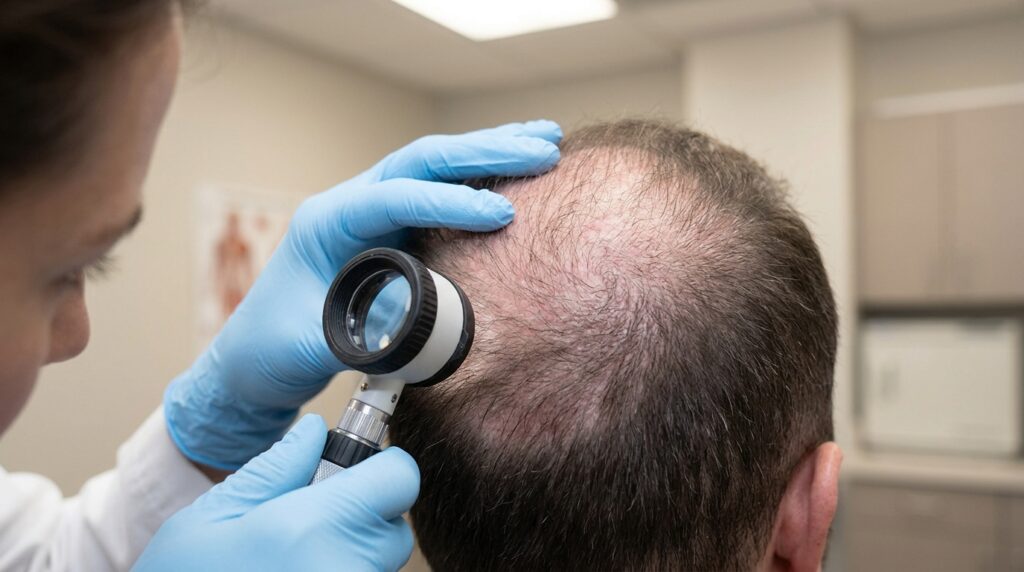
We never begin PRP treatment without a proper clinical assessment. Every patient receives a full trichology consultation including trichoscopy, hair density assessment, and medical history review before any treatment is recommended. Getting the diagnosis right is what makes PRP work.
Medical Grade PRP Protocol
The quality of PRP is directly related to the quality of the centrifugation process and the preparation protocol used. At Skin Esthetics Clinic, we use medical-grade equipment and a precisely calibrated protocol to produce PRP with optimal platelet concentration and growth factor content. The quality of the PRP we inject directly affects the results our patients achieve.
Experienced Practitioners
Every PRP session at Skin Esthetics Clinic is carried out by a trained aesthetic practitioner with specific experience in scalp PRP injection technique. Precise injection depth and placement are critical to PRP effectiveness. Our practitioners have the experience and the technique to deliver PRP exactly where it needs to go.
Personalised Treatment Plans
No two patients receive the same PRP programme at Skin Esthetics Clinic. Your hair loss type, your scalp condition, your hormonal profile, and your treatment goals all shape your programme. We combine PRP with complementary treatments where appropriate and build a home care routine that supports your clinical results between sessions.
Trusted by Patients Across Romford and East London
We serve patients from across Romford, Hornchurch, Ilford, Barking, Dagenham, Chadwell Heath, Harold Wood, and East London. Many come to us having tried PRP elsewhere without the results they expected. The difference is consistently in the quality of the PRP preparation and the precision of the injection technique — both of which we take seriously at every session.
Book Your Free PRP Hair Treatment Consultation in Romford Today
At Skin Esthetics Clinic in Romford, your first PRP consultation is free. No GP referral needed. No obligation to proceed. Just an honest assessment of your hair loss, a clear explanation of whether PRP is right for you, and a transparent treatment plan if it is.
Same-week appointments are available. We serve patients from across Romford, Hornchurch, Ilford, Barking, Dagenham, and East London.
Book your free PRP hair treatment consultation today.
Conclusion
Hair loss is treatable. For the majority of patients dealing with thinning hair, or progressive androgenetic alopecia, PRP hair treatment offers a clinically proven, safe, and natural path to recovery.
It works with your own biology, targets the follicle directly, and produces results that surface treatments simply cannot replicate. Book today and take the first real step toward restoring your hair.
FAQs
Is PRP Hair Treatment Worth the Cost?
Yes. For patients with active follicles and early to mid-stage hair loss, PRP produces measurable, lasting improvements in hair density and shedding reduction that over-the-counter products cannot deliver.
How Many PRP Hair Treatment Sessions Do You Need?
Most patients complete an initial course of three to four sessions spaced four to six weeks apart. This is followed by maintenance sessions every four to six months to sustain and build on the results achieved.
The exact number of sessions depends on your specific hair loss type, its severity, and how your scalp responds at each review. We give you a specific session recommendation at your free consultation based on your individual diagnosis.
How Long Does PRP Hair Treatment Take to Work?
Most patients notice a reduction in active hair fall within four to eight weeks of their first session. Visible new hair growth typically becomes apparent between two and three months into the treatment course.
Significant improvement in density and volume is usually visible at the six-month mark following a complete initial course. Full results develop progressively and continue improving for up to twelve months after the final session in the initial course.
Is PRP Hair Treatment Painful?
PRP hair treatment involves injections into the scalp which can cause discomfort. We apply a topical numbing preparation before the injection phase and allow adequate time for it to take full effect.
The procedure is very manageable for the vast majority of patients and does not require sedation or oral pain relief. If you have concerns about pain or sensitivity, discuss them with your practitioner at consultation. We always adapt our approach to your comfort level.
Is PRP Hair Treatment Permanent?
PRP hair treatment is not a permanent solution in the sense that a single course produces lifelong results without any further treatment. Hair loss particularly androgenetic alopecia is an ongoing biological process driven by genetics and hormones.
PRP addresses the follicle and its immediate environment but does not alter your genetic predisposition. Maintenance sessions every four to six months sustain the results of the initial course and prevent regression.
What Is the Success Rate of PRP Hair Treatment?
Clinical research consistently reports meaningful improvement in hair density and hair count in the majority of patients treated with PRP for androgenetic alopecia and telogen effluvium. Published studies report positive outcomes in 70 to 90 percent of appropriate candidates.
Can PRP Regrow Hair on a Bald Patch?
PRP can stimulate regrowth in bald patches where hair follicles are still present but dormant. This is common in alopecia areata, early androgenetic alopecia, and telogen effluvium.
What Is the Age Limit for PRP Hair Treatment?
There is no absolute upper age limit for PRP hair treatment. The therapy is suitable for adults of all ages provided they are in good general health and have no contraindicated conditions.
Can I Combine PRP With Other Hair Loss Treatments?
Yes. PRP combines effectively with several other hair loss treatments and often produces better results when used as part of a multi-modal programme..
What to Avoid After PRP Hair Treatment
In the 24 to 48 hours following your PRP session, avoid washing your hair, applying any topical products to the scalp, vigorous exercise that produces heavy sweating, saunas, steam rooms, and swimming pools. Avoid direct sun exposure on the treated scalp for 48 hours.
Do not take anti-inflammatory medications such as ibuprofen in the 48 hours following treatment as they can reduce platelet activity and interfere with the healing response PRP triggers. Alcohol should be avoided for 24 hours.